Let's talk about what actually happens to your orgasms after 35
Here's the thing nobody tells you straight: orgasm intensity doesn't stay the same across your whole life. Around your mid-30s, something shifts. Your orgasms might feel less explosive. Sometimes shallower. Sometimes they take longer to build. And the first thought is always "I'm broken," which you're not.
This isn't about getting old. It's about how your nervous system changes, how blood flow patterns shift, and how your sensitivity responds to new hormonal rhythms. And once you understand what's actually happening, you can work with your body instead of against it.
The science of what changes in your nervous system
Orgasm relies on a few core things: blood flow to your clitoris, nerve sensitivity, muscle tension building and releasing, and your brain's ability to focus. After 35, a few of these start operating on a slightly different timeline.
Blood flow to genital tissue becomes less automatic. Your nervous system needs a bit more stimulation to register as pleasure. The pelvic floor muscles, which are responsible for that involuntary contracting sensation during orgasm, lose some of their tonus if you're not actively maintaining them. And your brain gets busier. Stress, work, life stuff all compete for the bandwidth that used to go straight to arousal.
Here's what doesn't change: the clitoral nerve endings. Your capacity for sensation. Your ability to orgasm at all. The wiring is still there. The signal just needs a clearer path.
Why lemon clitoral vibrators work differently for this shift
Most vibrators use rapid vibration to stimulate the clitoris. That works when sensitivity is high and blood flow is quick. But after 35, your tissue often needs a different kind of stimulation.
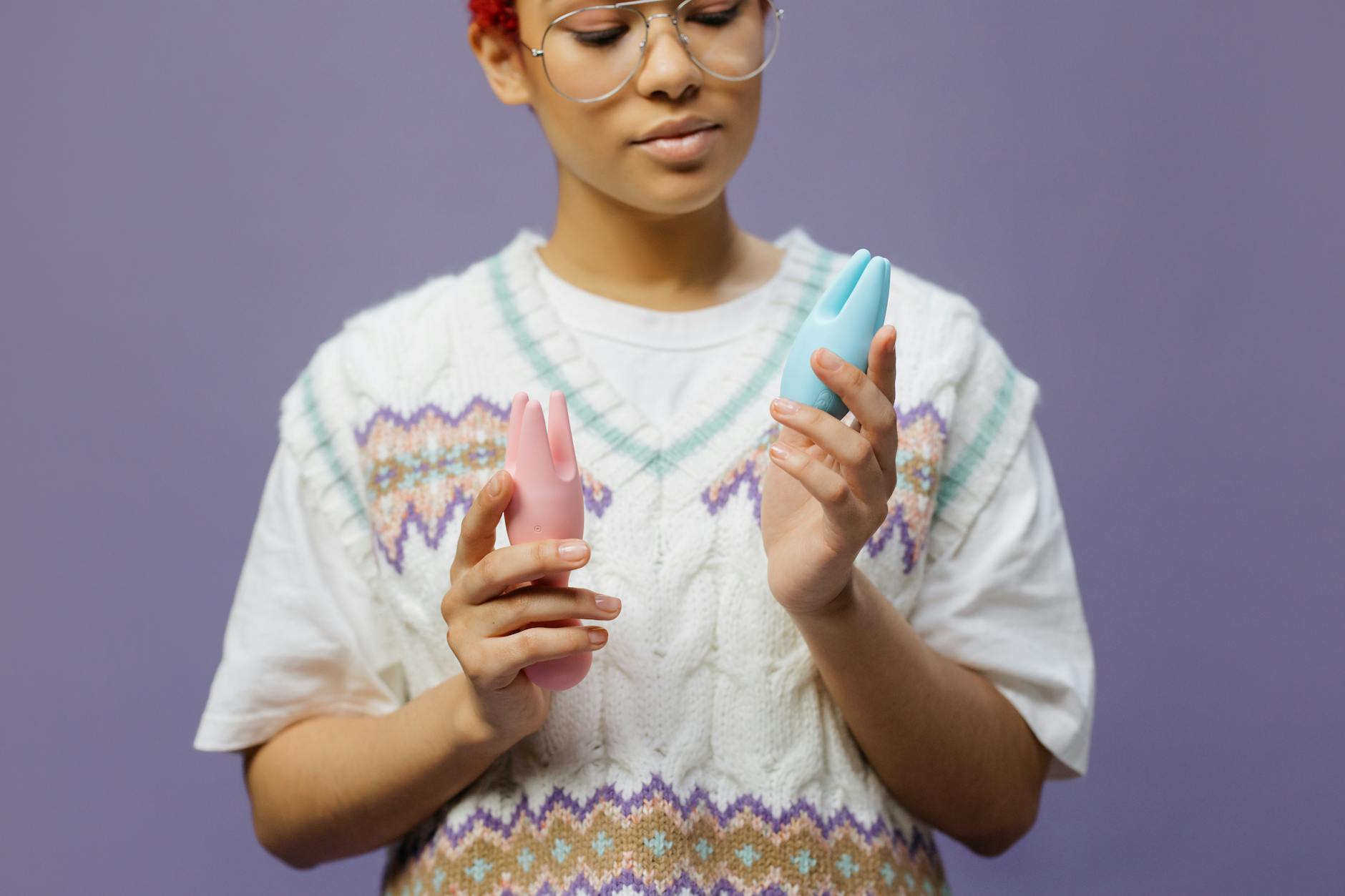
Lemon vibrators, also called lemon suction toys or air-suction vibrators, use a gentler mechanism. Instead of direct vibration, they create a gentle suction and release pattern that draws blood to the clitoris over time, builds pressure gradually, and stimulates the nerves without requiring the intense sensitivity that traditional vibrators demand. It's like the difference between tapping someone's shoulder versus gently pulling them closer. One works better when you need to get their attention slowly.
The suction pattern in lemon sexual toys also tends to produce orgasms that feel more full-bodied. Because the stimulation is sustained rather than rapid, your nervous system has time to build tension throughout your pelvic floor, not just on the surface. Many people report that their orgasms with suction toys feel deeper and more integrated into their whole body.
The hormonal backdrop that nobody mentions
Your hormones aren't crashing after 35, but they are shifting. Testosterone, which plays a huge role in clitoral sensitivity and orgasm intensity in everyone, starts a slow decline. Estrogen fluctuates differently. Cortisol, your stress hormone, often gets higher because your 30s and 40s are usually packed with responsibilities.
All of this means your body is less primed for quick, explosive pleasure. But it's also more capable of sustained, nuanced sensation if you give it the right input.
This is why patience matters more than it did at 25. And why lemon clitoral vibrators, which build sensation gradually rather than demanding it instantly, align better with how your nervous system actually operates now. You're not slower. You're different.
What actually changes in how you experience pleasure
Three shifts happen after 35 that directly affect orgasm intensity.
First, your refractory period lengthens. You might need more recovery time between orgasms. This isn't a problem. It's just information. It means you might get more pleasure from one deep orgasm than from chasing multiple shallow ones.
Second, your brain's arousal threshold rises. Distractions that you could brush off at 28 now derail you. This is why environment, privacy, and emotional connection suddenly matter way more. A good lemon vibrator used alone or with a partner in a space where you feel safe will work better than the same toy used while you're half-listening for your kid to wake up.
Third, your orgasm is less likely to be a surprise. It takes intention. But here's the upside: when you're intentional about it, the quality goes up. You're not chasing a reflex. You're orchestrating an experience.
How to use lemon vibrators to rebuild intensity
Four practical things change when you're using a lemon clitoral vibrator after 35.
Start with lower intensity. If your vibrator has settings, begin at 2 or 3, not 7. Your tissue is more sensitive to overstimulation now, and intensity can actually numb you faster. The suction pattern of lemon toys means you can build pleasure at a lower setting than you'd need with a traditional vibrator.
Budget for longer warm-up time. You might need 15 to 25 minutes of combined foreplay and direct stimulation before your body is ready for orgasm. This isn't frustration. This is an invitation to explore every part of the pleasure build, not just the finish line.
Pay attention to your pelvic floor tension. After 35, this muscle group tightens more easily because you're holding stress there. Before you use your vibrator, spend 2 minutes consciously relaxing your pelvic floor. Breathe into it. Let your thighs feel heavy. Then start. A relaxed pelvic floor with consistent suction stimulation produces much more intense orgasms than a clenched one.
Use lube even if you don't feel like you need it. Your tissue composition changes after 35, becoming thinner and less self-lubricating. Water-based lube makes suction work better and keeps you comfortable. It's not a sign of dysfunction. It's maintenance.
The role of your partner in this shift
If you have a partner, this is the moment they need to understand something fundamental: your orgasm isn't less valid because it feels different. It's not weaker. It's recalibrated.
Many partners, especially those who've been with you for years, assume that when your orgasm changes, the relationship is the problem. Sometimes it is. But more often, it's just biology. And the fix isn't resentment or avoidance. It's curiosity.
Using lemon vibrators with a partner actually solves this beautifully. Because the toy does the consistent work, your partner can focus on touch, presence, and connection. They're not trying to make you orgasm faster. You're collaborating on making the experience richer. That's a completely different dynamic.
If you're single, lemon vibrators give you the consistent external stimulation that lets your nervous system relax into pleasure without having to perform or rush. You get to take your time and actually feel what's happening.
When intensity loss signals something else
Sometimes a shift in orgasm intensity after 35 points to something physical worth checking out. If orgasms went from great to completely absent, or if you're experiencing pain, see a doctor. Thyroid changes, blood pressure medications, and hormonal shifts can all affect orgasm.
If the shift is just intensity without pain or absence, you're looking at a recalibration, not a malfunction. Lemon clitoral vibrators are specifically designed for exactly this scenario.
The pleasure compound effect
Here's what I see happen over and over: someone starts using a lemon vibrator at 35 or 40 or 45, feeling like their best sexual years are behind them. Within a few weeks of consistent, intentional use, something clicks. Not because the vibrator is magic. But because they're giving their nervous system time to learn a new way of experiencing pleasure.
Orgasms get deeper. More reliable. In many cases, more intense than they were in the person's 20s, because now there's emotional maturity and presence mixed in with the physical sensation. You're not just chasing a high. You're building something.
Your body after 35 isn't broken. It's just asking you to pay attention differently. Lemon vibrators, and specifically how they work with gradual stimulation and sustained suction, happen to match exactly what your nervous system needs right now.
People also ask
Why do orgasms feel less intense after 35?
Orgasm intensity shifts after 35 due to changes in blood flow patterns, natural decline in testosterone levels, and increased stress that diverts nervous system resources. Your tissue composition also changes, becoming less automatically lubricated. None of this means your capacity for pleasure is gone. It just means your nervous system is operating on a slightly different timeline and needs a different kind of stimulus to reach the same height.
Do lemon vibrators work for reduced orgasm intensity?
Yes. Lemon clitoral vibrators use gentle suction instead of rapid vibration, which matches how your nervous system actually works after 35. The sustained pressure draws blood gradually and stimulates nerves in a way that builds deeper, more full-bodied orgasms. Many people report that their most intense orgasms come after they switch to suction toys.
Can my orgasm intensity come back to how it was at 25?
Not exactly, because your body has genuinely changed. But intensity and quality are different things. After 35, orgasms often feel less like lightning bolts and more like waves. With the right tools and intention, those waves can be deeper and more satisfying than earlier lightning. How Lemon Vibrators Compare to Traditional Vibrators for Clitoral Sensitivity goes deeper into how suction and vibration create different sensations.
How long does it take to feel a difference with a lemon vibrator?
Most people notice something within the first 3 to 5 uses. Your nervous system learns quickly when it's getting consistent, intentional input. By week 2 or 3 of regular use, you're usually experiencing noticeably different (usually deeper) orgasms. Give yourself at least a month of weekly use before deciding whether it's working for you.
Is it normal that lemon vibrators feel weird at first?
Completely. If you've only used traditional vibrators, suction feels like a totally different sensation. Some people find it strange for the first use or two. That's why starting at low intensity and taking your time matters. Your body will adjust once it realizes the suction is safe and effective. Why Lemon Vibrators Feel Awkward at First walks through the adjustment period specifically.
Should I use lube with a lemon vibrator if I'm already wet?
Yes. After 35, even if you're lubricated, adding water-based lube makes the suction mechanism work better and keeps your tissue comfortable during longer sessions. Lube isn't a sign you're not aroused. It's maintenance. Think of it like oil in an engine.
What this means for your pleasure going forward
Orgasm intensity shifting after 35 isn't a loss. It's a redirect. Your nervous system is asking you to slow down, pay attention, and use tools that work with your actual body instead of expecting your body to work like it did 10 years ago.
Lemon vibrators, lemon sexual toys, and other clitoral vibrators designed around suction work because they match this new reality. They don't demand intensity. They build it, gradually, which is exactly what your nervous system can handle and respond to right now.
The pleasure you're looking for isn't gone. It's just in a different place, and it's going to feel completely different when you find it. That's not a downgrade. It's an upgrade you haven't explored yet.
If this resonates and you want to dig deeper into how to navigate pleasure changes in your body, reach out to us. We're here to help you figure out what actually works for you.