Let's name what you're probably feeling
After ten, fifteen, twenty years together, pleasure doesn't vanish. It gets quiet. Your partner's touch, which once sent your nervous system into overdrive, now feels like maintenance. Not bad. Not unwanted. Just... expected. Sensory fatigue is real, and it doesn't mean anything is broken.
What changes is novelty. What changes is attention. What changes is the way your body lights up in response to touch it knows too well. This is one of the most common issues I see in my practice, and it's almost never the relationship that's the problem. It's the nervous system's adaptation to predictability.
Why long-term touch stops landing the same way
Your nervous system is wired to notice new stimuli. When your partner's hand has touched the same patch of skin a thousand times, your brain literally stops registering it as intensely. This is called sensory adaptation, and it's a survival mechanism, not a romantic failure.
Add to that the cognitive load of routine. After years together, sex becomes scheduled, familiar, sometimes even performative. You're thinking about whether you're taking too long, whether they're enjoying it, what's for dinner tomorrow. Your clitoris can't possibly respond the way it did when novelty and focused attention were both present.
Then there's desire synchrony. In long relationships, one partner typically wants sex more often than the other. The one with lower desire often ends up in responsive mode rather than initiatory mode. And responsive desire, when it happens in the same predictable way, stops triggering the arousal cascade your body needs to feel truly alive.
How lemon vibrators reset sensation differently
Here's where clitoral suction toys change the equation. A lemon vibrator uses air-pulse technology rather than vibration, which means it's stimulating your clitoris in a pattern your nervous system hasn't adapted to yet.
It's not your partner's hand. It's not a standard vibrator. It's a completely different sensory input. When you introduce something genuinely novel into your pleasure practice, your nervous system wakes up. Your brain stops autopilot and starts paying attention.
For people who have been together for decades, this novelty effect is profound. You're not replacing your partner or signaling that their touch isn't enough. You're literally teaching your nervous system to feel again.
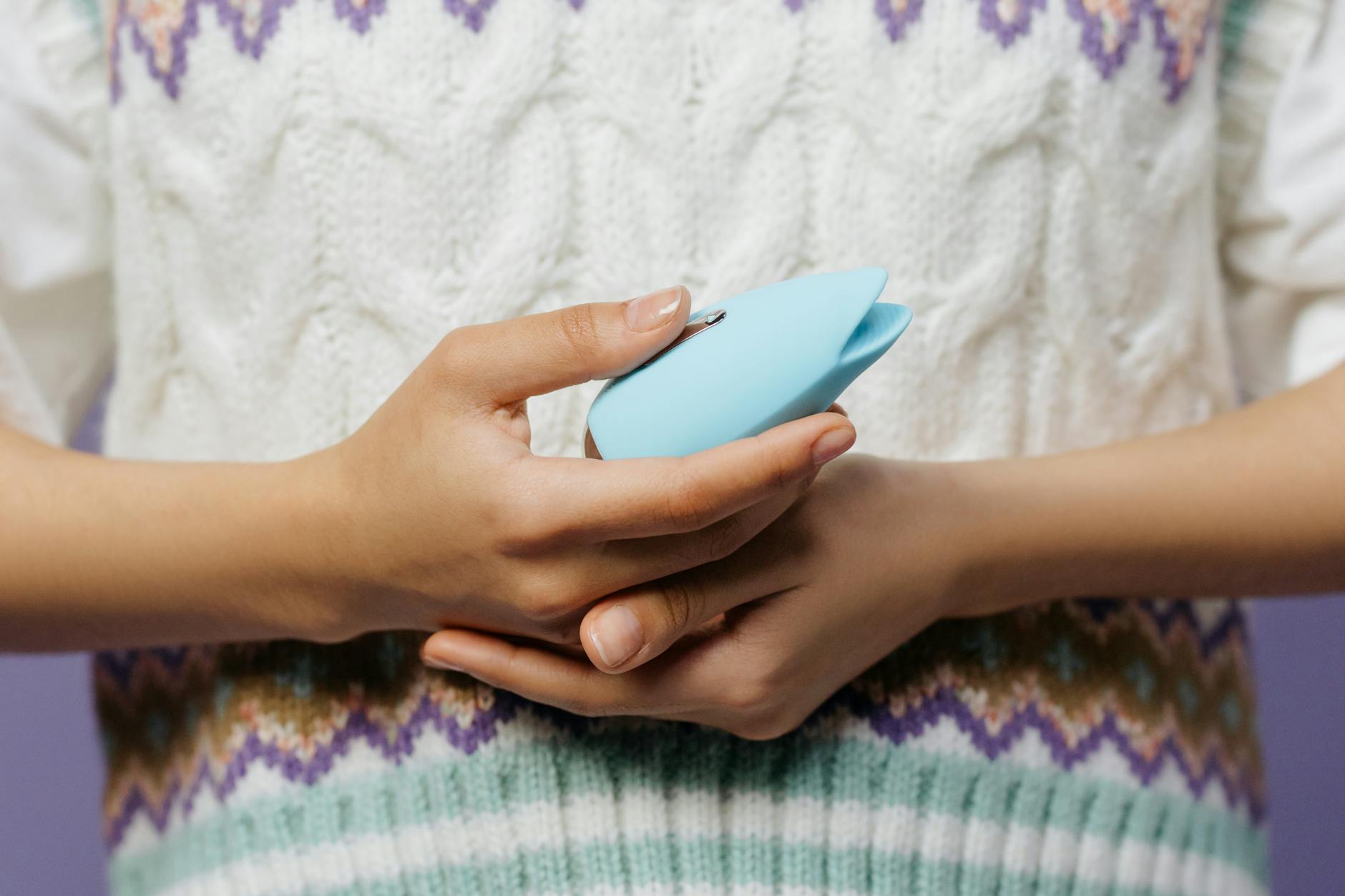
Photo by cottonbro studio on Pexels
The solo-pleasure piece (it actually matters for couples)
One of the counterintuitive findings in sex research is that people in long-term relationships who maintain a solo pleasure practice report higher satisfaction with partnered sex. When you're exploring your own sensation regularly, you stay attuned to what your body responds to. You're not waiting for someone else to turn you on. You're practicing that skill independently.
A lemon clitoral vibrator makes this easier because it's discreet, effective, and feels different enough that it genuinely rewires your pleasure response. When you use it solo, you're learning your own nervous system in isolation. Then you bring that knowledge back to your relationship.
Introducing this to your partner without it becoming weird
Most partners worry that bringing a toy into the relationship signals dissatisfaction. The reality is usually the opposite. Partners who see their long-term spouse getting pleasure are typically more engaged, not less.
The conversation that works: "I want to reconnect with pleasure. I've noticed I need something different to feel that spark again. This isn't about you. It's about me waking up my own body." Then, optionally: "I'd love for you to be part of this."
Some partners will want to be present. Some will prefer solo exploration. Both work. The key is that you're not asking them to be your pleasure source, you're inviting them to witness your own pleasure returning.
Using a lemon vibrator solo after years of couple-focused sex
Here's what to expect. The first few times, you might feel awkward. You've spent years being responsive to someone else's timing. Being initiatory with your own pleasure takes a beat to feel natural.
Start in a space where you feel completely alone. No risk of interruption. Maybe the shower, maybe before your partner wakes up. Give yourself ten to fifteen minutes without a specific outcome in mind. Not "I need to orgasm." Just "I'm here to feel."
A lemon vibrator typically builds sensation gradually. Start on a lower setting. You might notice that sensation returns faster than you expected, or that it feels unfamiliar in a good way. This is your nervous system relearning pleasure.
Over time, as you practice solo, you'll notice your partnered sex shifting too. You'll initiate more. You'll be more present. You'll know what you want instead of defaulting to what feels familiar.
The relationship shift that follows
I've seen couples reconnect profoundly once one or both partners start prioritizing their own pleasure again. It sounds backwards, but it works. When you're not waiting to be turned on, when you're actively engaged with your own sensation, you bring energy to your relationship instead of absence.
Your partner notices. Your body notices. Sex becomes something you're choosing again instead of something you're accommodating.
When to seek help beyond toys
If disconnection from pleasure is paired with emotional distance, contempt, or resentment, a vibrator won't fix the relationship. That's couples therapy territory, and it's important territory. Pleasure reconnection works best when the relationship foundation is solid enough to support it.
If pleasure remains completely absent even with novel stimulation, it's worth checking in with your doctor. Depression, anxiety, hormonal shifts, and certain medications can all flatten sensation, and that's a separate conversation from long-term relationship adaptation.
FAQ: Pleasure Reconnection After Years Together
Is using a toy a sign my partner isn't enough anymore?
No. Sensation adaptation happens to every nervous system given enough repetition. It's not a referendum on your partner's attractiveness or capability. It's biology. Adding novelty actually often increases desire for partnered sex, because your whole nervous system becomes more responsive to pleasure in general.
How long does it take to feel pleasure again?
Most people notice a shift within the first few uses. Sensation doesn't require time to build the way partner-initiated arousal might. But the real change, where pleasure consistently feels present again, typically takes two to three weeks of regular solo exploration. You're retraining your nervous system.
Should I use the lemon vibrator with my partner present or solo first?
Solo first, almost always. You need to rebuild your own felt sense of pleasure before bringing someone else into the equation. Once you're comfortable and know what you enjoy, introducing your partner can feel collaborative rather than vulnerable. That said, some couples prefer exploring together from the start. There's no wrong path.
What if my partner feels threatened?
That's a conversation worth having directly. Something like: "I care about our sex life and I want to feel more present in it. This tool is for me to reconnect with my own pleasure so I can bring more energy to us." Most partners, when they understand the intent, become curious rather than defensive. If threat persists, that's a sign the relationship might benefit from couples counseling.
Do I need to tell my partner I'm using a toy?
That depends on your relationship agreements. In some couples, solo pleasure is completely private. In others, full transparency is part of the deal. There's no universal right answer. But I'd offer this: secrets tend to create distance. If you eventually want your partner involved, starting with transparency makes that easier.
How often should I use a lemon vibrator to reconnect with pleasure?
Three to five times per week is typical for rebuilding sensation. Think of it like retraining. You're teaching your nervous system that pleasure is available, it's worth your attention, and it's a priority. Consistency matters more than duration. Five minutes, consistently, beats occasional longer sessions.