
Let's start with the honest part
Pelvic floor trauma stops pleasure. But it doesn't have to end it. That's the distinction most people miss when they're in the thick of recovery: the nerve pathways are still there, the sensation capacity is still intact. What's broken is the trust signal between your brain and your body.
Trauma comes in many shapes. Childbirth, surgery, chronic tension, overuse, or sudden injury. Each one rewires the pelvic floor differently. But they all have one thing in common: they make traditional vibrators feel like the wrong tool entirely.
Here's what I've seen work when the pain settles enough to consider pleasure again.
Why trauma changes how stimulation feels
When you experience pelvic floor trauma, your body enters protective mode. The pelvic floor muscles clench. Surrounding tissue becomes hypersensitive or numb. Scar tissue forms. Your nervous system tags this entire region as dangerous, and that warning signal doesn't automatically quiet when you decide you're ready to feel good again.
Traditional vibrators use direct oscillation. That mechanical friction, even at low speeds, can feel like an assault on healing or hypersensitive tissue. It retraumatizes. The brain hears threat and shuts down arousal even further.
This is not weakness. This is neurobiology.
Lemon suction vibrators work differently. Instead of friction, they create a gentle vacuum that pulls rather than presses. The sensation is lighter, more diffuse. It stimulates the clitoris through negative pressure rather than mechanical vibration, which means you get intense nerve activation without the direct friction that triggers protective clenching.
The mechanics of safer stimulation
Think of a lemon clitoral vibrator like this: a traditional vibrator is a tap on the shoulder. A lemon suction toy is a gentle hand holding yours.
The suction creates what I call "sensory permission." Your nervous system recognizes that nothing is pushing into sensitive tissue. Nothing is grinding. The stimulation is happening, but in a way that feels fundamentally different from the trauma signal your body learned.
For people recovering from pelvic floor trauma, this distinction is everything. The lem vibrator, for example, uses soft silicone and air-pulse technology that mimics oral suction. It's been designed specifically with sensitive bodies in mind. When you're rebuilding pleasure after trauma, that gentle engineering matters.
Here's what happens neurologically: as the lem vibrator works, your clitoris receives sustained, consistent stimulation without pressure shock. The nerves wake up gradually. The brain slowly untags this region as dangerous. Arousal becomes possible without the body automatically bracing for pain.
Building back sensation in layers
Recovery is never linear, but it does follow a pattern. Start with the lowest setting. You're not chasing orgasm. You're chasing the feeling of safety first, sensation second.
Week one might just be holding the lemon vibrator nearby, powered off. Your nervous system needs to know this object is part of healing, not harm.
Week two, power it on at level one. Thirty seconds, no pressure. Notice what you feel. Numbness is fine. Slight tingling is good. Pain means stop and wait longer.
Week three, you might try placing it directly on the clitoris for two to three minutes at the lowest setting. If that feels tolerable, the next time you try level two.
I recommend people who've experienced trauma work with a pelvic floor physical therapist alongside this exploration. They can assess where the tightness is, where the scar tissue lies, and which internal muscles are still guarding. Armed with that information, you make much faster progress.
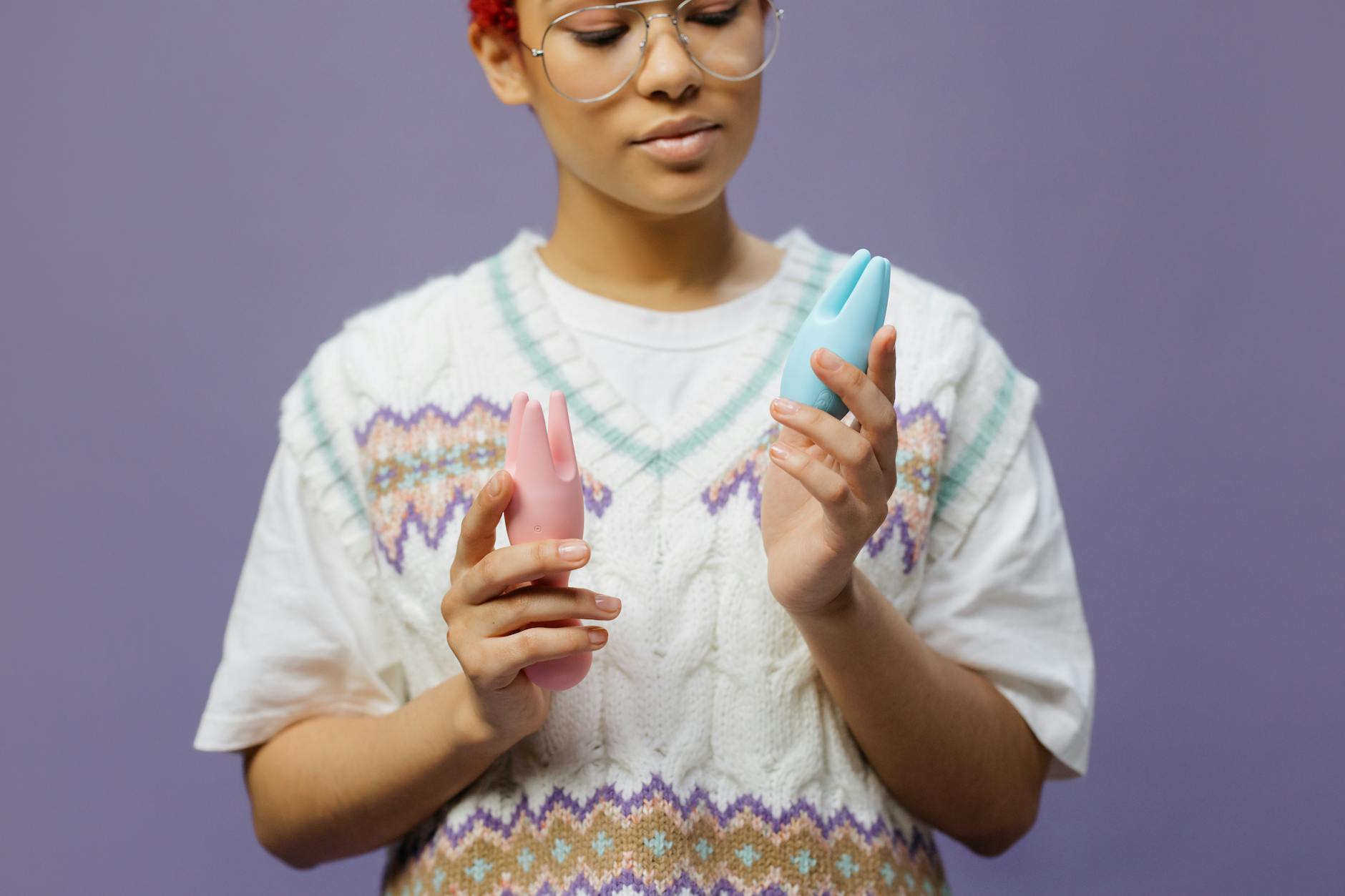
Photo by cottonbro studio on Pexels
Why lemon vibrators beat traditional toys for trauma recovery
I see three consistent advantages:
1. Less retraumatization. Because there's no friction, the sensation doesn't mimic the mechanics of the original injury. Your nervous system doesn't confuse healing with harm.
2. Faster arousal tolerance. Patients report being able to use a lemon clitoral vibrator for longer periods without pain or numbness returning. The suction keeps blood flowing without overwhelming sensitive tissue.
3. Better pleasure signals. Once the safety threshold is crossed, the intense suction stimulation actually activates more nerve endings than traditional vibrators. People often have their first comfortable orgasm with a device like the lem, which builds immense confidence.
Traditional vibrators have their place. But for active trauma recovery, especially in the first six to twelve months post-injury or post-surgery, lemon suction vibrators are genuinely superior. It's not marketing. It's neuroscience.
The psychological piece no one talks about
This is where my work as a couples therapist intersects with the physical healing.
Trauma doesn't just live in tissue. It lives in memory, in anticipation, in shame. People who've experienced pelvic floor trauma often develop secondary anxiety around pleasure itself. The thought of touching that area or being touched there triggers a fear response that lives in the mind, not just the body.
Using a lemon vibrator successfully, even once, begins to rewrite that story. Your brain learns: this sensation is possible without pain. This area can feel good. That rewiring is as important as the physical healing.
If you have a partner, honesty matters here. Tell them what you're doing and why. Healing isn't sexy, and that's okay. But it's also not shameful. A partner who understands that you're rebuilding trust in your own body becomes an ally rather than a source of pressure.
When to bring a partner back into the picture
Not until you can pleasure yourself comfortably with a lemon vibrator. That's the marker. Once you've had multiple orgasms or pleasure experiences without pain, once your body has learned that this region can feel good, then partner touch becomes possible.
Even then, start slow. Manual stimulation before penetration. Communication before assumption. Check in after. Many couples actually report that trauma recovery forces them into a kind of intimacy they'd never built before: the willingness to start over, to ask, to listen.
Timeline expectations
This varies wildly depending on the severity of trauma and how long ago it occurred. Fresh trauma (within six months) can show improvement in four to eight weeks of gentle, consistent use. Older trauma, or trauma from medical procedures, might take three to six months.
Some people will never be comfortable with traditional vibrators again, and that's completely fine. A lemon suction vibrator might be your tool forever. Your pleasure doesn't need to look like anyone else's.
FAQ: Trauma recovery and lemon vibrators
Can I use a lemon vibrator if I'm still in pain during penetration?
Yes, but start extremely slowly. External clitoral stimulation with a lemon vibrator is often tolerable even when penetration isn't. The suction doesn't trigger the same protective response that penetration does. That said, work with a pelvic floor PT. Pain during sex isn't something you have to white-knuckle through.
How often should I use a lemon vibrator during trauma recovery?
Two to three times per week is a gentle baseline. More isn't better. Consistency is. Your nervous system learns through repeated, safe experiences. Overdoing it can actually increase sensitivity and setbacks.
Will using a lemon vibrator help me enjoy partner touch again?
Often, yes. By rewiring your nervous system to recognize pleasure in that area, you're creating a new baseline. Partner touch becomes possible again. But it takes time, and both partners need to be patient.
Are there positions or settings that are better for trauma recovery?
Start lying down, fully supported, with your legs relaxed. No internal muscles should be bracing. The lowest setting is almost always the right choice at first. Once comfort increases, you can experiment. But there's no rush.
Should I use lubricant with a lemon vibrator during recovery?
Absolutely. Water-based lube reduces any remaining friction sensation and makes the suction feel smoother. It's not that you're "broken" if you need it. You're being smart about healing.
What if I'm having trauma responses during use, like flashbacks?
Stop immediately. This is the nervous system telling you it's not ready yet. Wait another week or two, then try again. If flashbacks keep happening, talk to a trauma-informed therapist. Healing sometimes needs both body work and talk therapy.
The bottom line
Pelvic floor trauma is real. The pain is real. The pleasure loss is real. But recovery is also real, and it's more achievable than most people believe, especially with the right tools.
A lemon vibrator isn't magic. It's neuroscience applied to a specific problem: how do you stimulate the clitoris safely when traditional vibrators feel like harm? By changing the mechanics entirely. By choosing suction over friction. By giving your nervous system permission to learn pleasure again without fear.
If you're in the middle of this recovery, be patient with yourself. Your body isn't broken. It's just learning a new language. Once it does, pleasure comes back. Sometimes even better than before.
Have questions about your specific situation? We're here to help you figure out the right path forward. Reach out anytime.