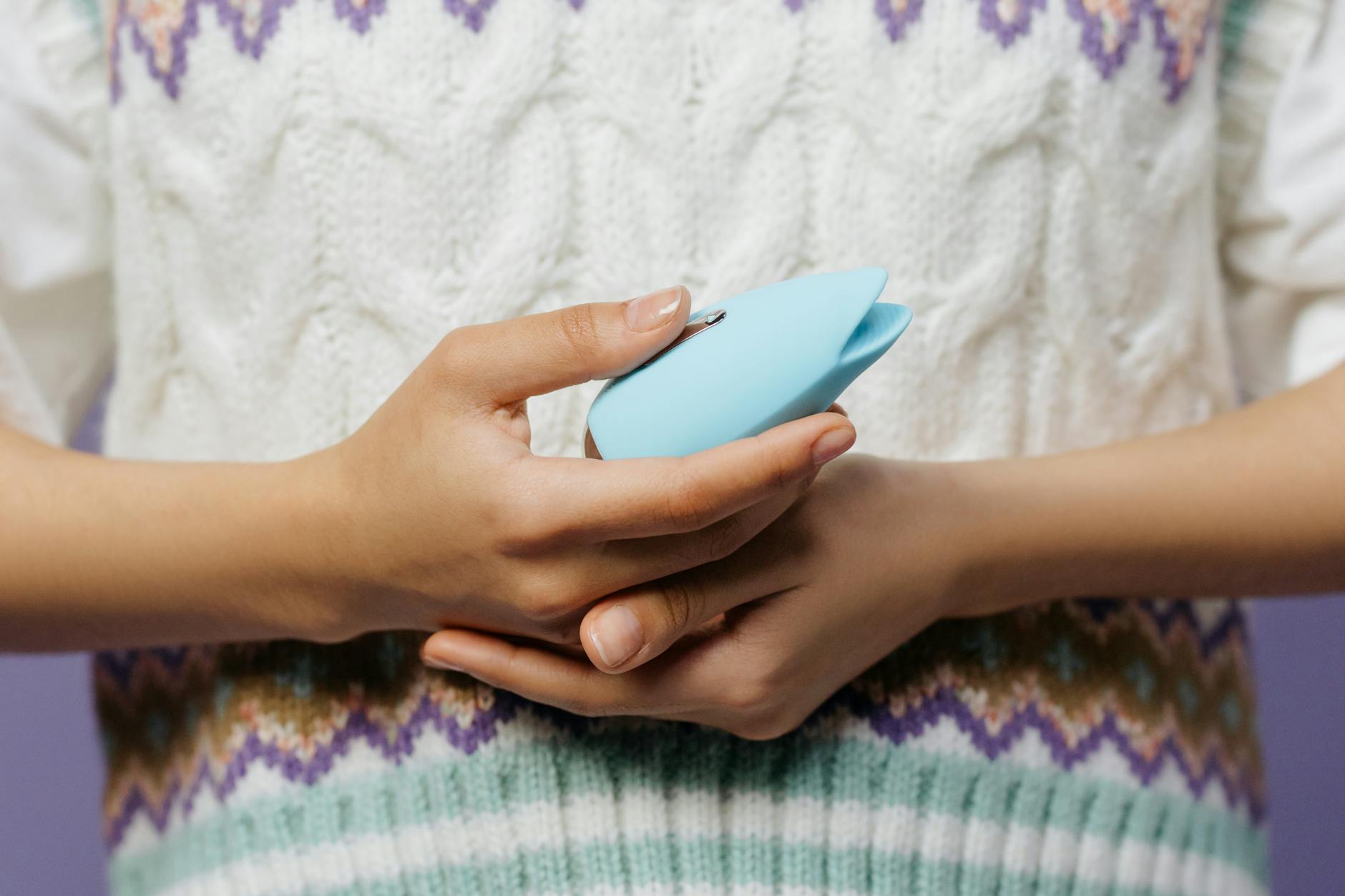
How Lemon Vibrators Rebuild Sensation After Years of Numbing From Anxiety Medication
Let's be honest: SSRIs and other anxiety medications are lifesaving. They've pulled millions of people out of the grip of panic, generalized anxiety, OCD, and depression. But almost nobody warns you about what happens to your body in the process.
One of the quietest side effects is the flattening of arousal and sensation. You're not depressed anymore. You're functioning. You're just... numb. And when you've been living in that numbness for years, rebuilding pleasure feels impossible.
Here's what I've learned from clients: it's not impossible. It's just different.
Why anxiety meds flatten arousal in the first place
SSRIs work by increasing serotonin availability in your brain. That's the mechanism that helps regulate mood and anxiety. But serotonin also plays a major role in sexual response. Higher serotonin can actually inhibit dopamine, which is the neurotransmitter most directly tied to desire and pleasure.
So the trade-off is real: your anxiety goes down, but so does your capacity to feel aroused.
It's not that you're broken. It's not that you've lost desire permanently. It's neurochemistry. Your nervous system has adapted to the medication, and the pathways that light up during arousal are working on a dimmed setting.
Many people also experience delayed orgasm or difficulty reaching orgasm at all. Others notice their clitoris feels almost... distant. Like it's there, but separated from you by glass.
The three reasons sensation rebuilding takes time
First: your nervous system needs to recalibrate. Anxiety meds change how your nervous system processes signals. After years on medication, your body has learned to filter arousal cues more aggressively. That filtering doesn't switch off overnight when you start exploring pleasure again. It's a gradual desensitization to desensitization, if that makes sense.
Second: you may have lost touch with what turns you on. When arousal has been numbed for years, many people stop initiating sex, stop masturbating, stop exploring. That means the neural pathways associated with your own pleasure get less use. Your brain gets better at things you practice. If you haven't been practicing arousal, your brain has gotten really good at not being aroused.
Third: you might be stuck in a low-intensity loop. Because sensation is so muted, standard vibration doesn't cut it anymore. You may have tried regular vibrators and found them useless. That's not a sign you're permanently broken. It's a sign you need a different approach.
Why clitoral suction changes the game
This is where lemon vibrators and other clitoral suction toys become genuinely useful. Here's the mechanism: suction stimulates the clitoris in a way that's fundamentally different from vibration.
Vibration is high-frequency oscillation. Suction is gentle, rhythmic pressure combined with release. That creates a wave-like stimulation pattern that engages a broader network of nerve endings around and under the clitoral tissue.
For people whose sensation has been numbed by medications, this broader engagement matters. You're not relying on a single, intense vibration pattern. You're creating a full-body micro-pressure event that your nervous system can actually register, even when it's in a dampened state.
Many of my clients who've been on SSRIs for years report that a lemon vibrator or similar suction toy is the first thing in a long time that actually produces sensation they can feel.
How to start rebuilding sensation strategically
Phase one: solo exploration without pressure. This isn't about achieving an orgasm. It's about reintroducing your nervous system to the idea that pleasure can exist. Set aside time when you're not stressed, not rushed, not expecting an outcome.
Start with the lowest suction setting on your lemon vibrator. Spend 10-15 minutes just exploring. Notice what you feel. Not "Am I getting turned on?" but "What does this actually feel like?" This distinction matters because you're building data, not performance pressure.
Phase two: extend your warm-up time dramatically. Anxiety meds slow arousal buildup. You might need 30-45 minutes to feel anything meaningful. That's not abnormal. That's just what your nervous system needs right now. Budget the time, and don't try to rush it.
Phase three: layer in specificity. Once you've mapped what sensations you can actually feel with your lemon vibrator, start getting curious about variation. Different pressure levels. Different patterns. Different times of day. You're collecting evidence about what wakes your body up.
Phase four: integrate partners carefully. If you're with a partner, the temptation is to jump straight to partnered sex with your clitoral vibrator. That can work, but it can also backfire if you feel watched or judged. Have a clear conversation: "I'm rebuilding sensation from my medication. This isn't about you. It's about me reconnecting with my body." Then protect your solo time fiercely.
The timeline you should actually expect
Most people notice the first glimmers of restored sensation within 2-4 weeks of consistent exploration. By 8-12 weeks, arousal usually starts to rebuild noticeably. By 6 months, many people find they're back to something that feels close to their baseline.
But here's the part nobody tells you: it's not linear. Some days you'll feel sensation and arousal like you're right back where you started. Other days you'll feel flat again. That's normal. Your nervous system is rewiring. That process is messier than we'd like.
When to talk to your doctor
If you're considering changing your anxiety medication because of sexual side effects, involve your prescriber. Sometimes switching to a different SSRI helps. Sometimes adding a second medication to counteract the sexual side effects (like bupropion) is the answer. Sometimes the medication is so crucial to your mental health that the sexual side effect is a trade-off you accept.
None of those options are wrong. They're just different choices with different consequences. Your psychiatrist or therapist should be part of that conversation.
What shouldn't happen: you silently struggling and assuming your body is permanently broken. That narrative is untrue and unhelpful.
The bigger picture: sensation rebuilding is possible
I've worked with dozens of clients who've spent 5, 10, even 15 years on anxiety medication feeling almost nothing sexually. And I've watched them rebuild sensation using exactly this approach: strategic exploration, tools like lemon clitoral vibrators that stimulate differently, patience, and time.
Your pleasure matters. And it's not actually lost. It's just sleeping. The right approach can wake it back up.
People Also Ask
How long does it take to feel sensation again after SSRIs numb arousal?
Most people report noticing some return of sensation within 2-4 weeks of regular exploration. Meaningful arousal rebuilding usually takes 8-12 weeks. Full restoration can take 6 months or longer. The timeline depends on how long you've been on medication, your baseline sensitivity, stress levels, and consistency with exploration. There's no universal answer, but patience is non-negotiable.
Can you use a lemon vibrator if you're still on anxiety medication?
Absolutely. A lemon vibrator works with your body as it is right now, not as you wish it would be. Clitoral suction stimulates in a way that often bypasses the numbness that regular vibration can't penetrate. You don't need to change your medication to benefit from a more effective toy. Many people use lemon vibrators while staying on their current prescription and find genuine improvement in sensation.
Is the numbness from SSRIs permanent?
No. Sexual side effects from SSRIs are usually reversible, though the timeline varies. Some people notice improvement within weeks of changing medications. Others who stay on the same medication can rebuild sensation through consistent, intentional exploration. Neuroplasticity is real. Your nervous system can recalibrate, but it requires active work, not passive waiting.
Do clitoral suction toys work better than vibrators for medication-numbed sensation?
For many people, yes. Suction creates a broader, gentler stimulation pattern that engages more nerve endings and pressure receptors. Standard vibration is more intense and more focused, which can feel like nothing when your nervous system is dampened. That said, different bodies respond differently. Some people find that a combination of suction and vibration works best. Experimentation matters.
What if I still feel nothing even with a lemon vibrator?
First: give it time. 4-6 weeks of consistent exploration is a reasonable trial. Second: make sure you're extending your warm-up time and reducing external pressure. Third: consider whether stress, relationship issues, or other anxiety is layering on top of the medication numbness. Fourth: talk to your prescriber about whether a medication adjustment makes sense. And finally: explore whether a clitoral suction toy is actually the right tool for your body, or whether you'd benefit from a different approach entirely.
Can you combine anxiety medication with pleasure rebuilding strategies?
Yes. In fact, most pleasure rebuilding happens while people are still on their medication. You're not trying to replace your prescription. You're working within the neurological reality it creates and systematically rebuilding the sensation and arousal capacity that's been dampened. Talk to your therapist about this process. A good one will support it as part of your overall wellness.
The path forward
Anxiety medication gave you your life back. It made panic manageable. It made rumination quieter. That was necessary. Now, as you're more stable, rebuilding pleasure is also necessary. Not as a luxury. As part of reclaiming your whole self.
Your body can rewire. Your nervous system can learn to feel again. It just takes intention, the right tools, and time. A lemon vibrator is a surprisingly powerful partner in that process.
If you're ready to explore, start small. Start solo. Start with patience. And if you hit a wall or feel stuck, reach out. There's support available.