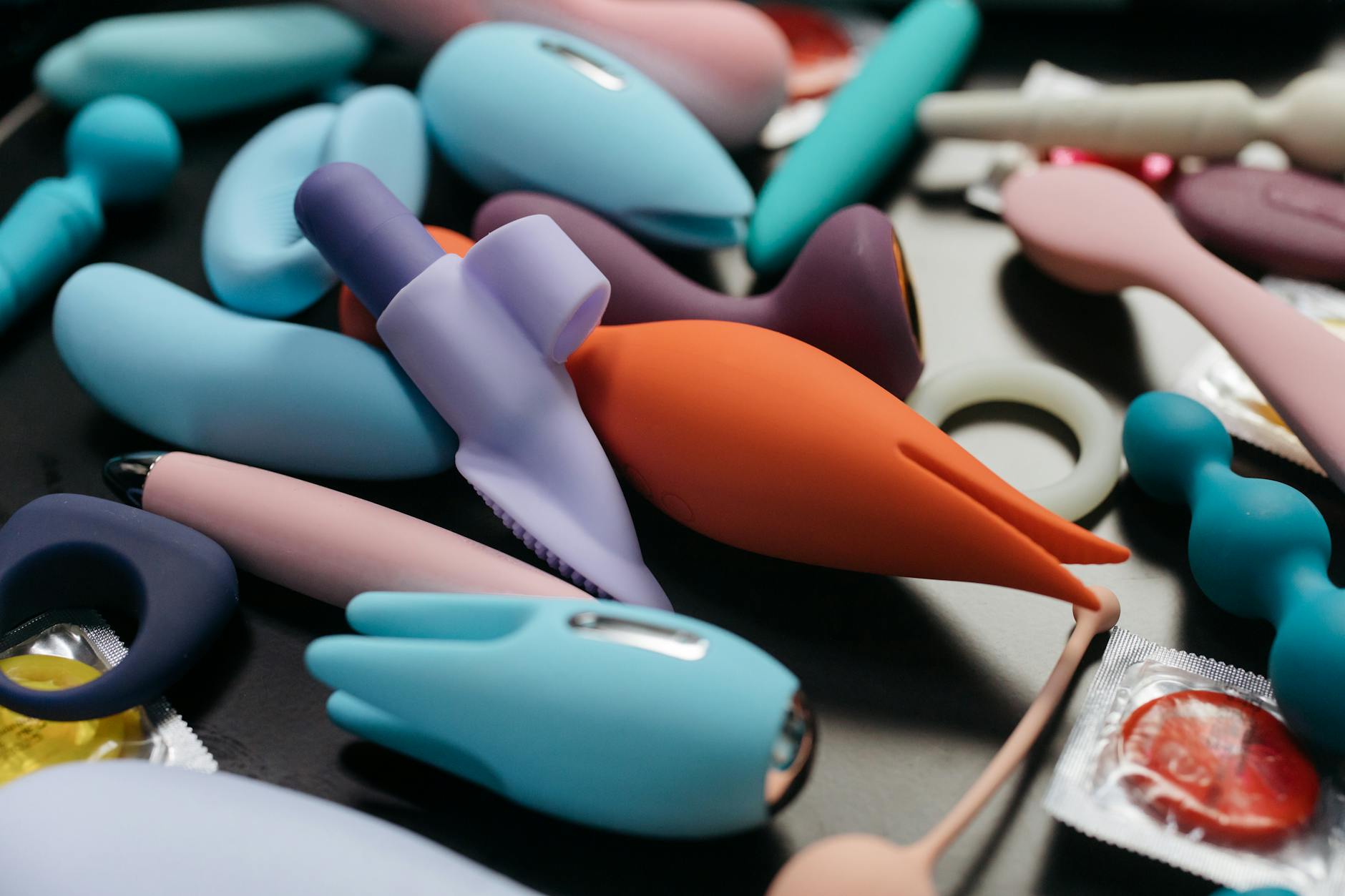
Here's what nobody tells you about antidepressants and pleasure
SSRIs work. They lift depression, steady your mood, make life livable again. But the trade-off is real. About 40 to 60 percent of people on antidepressants report some flavor of sexual side effect. Delayed orgasm. Flattened sensation. A kind of emotional distance from physical pleasure itself.
What matters is this: the problem isn't your brain chemistry anymore. It's that traditional vibrators were already working against you. Add medication into the mix, and straight vibration becomes almost useless.
Lemon suction vibrators work differently. And for people on SSRIs or SNRIs, that difference is enormous.
Why antidepressants flatten sensation in the first place
Antidepressants increase serotonin availability in the brain. That's good for mood regulation. But serotonin also modulates sensory perception and genital blood flow. Higher serotonin can mean less sensitivity to touch, slower arousal, reduced genital swelling. It's not damage. It's a side effect. Reversible, usually, or at least manageable with the right approach.
Traditional vibrators rely on motor-driven oscillation. That vibration travels through tissue, stimulating nerve endings through sheer frequency. When your nervous system is chemically dampened by medication, that signal barely registers. You crank it to the highest setting and feel like you're sitting on a phone on vibrate. Frustrating. Discouraging. Often, people just quit trying.
This is why so many people on antidepressants report that their favorite toys stop working. They didn't break. Your medication changed how you receive sensory input.
How lemon suction vibrators bypass the medication barrier
Suction works on a completely different principle. Instead of vibration traveling through tissue, suction creates a pressure differential. That negative pressure pulls blood into the clitoris, engages deeper nerve clusters, and activates what's called the "suction response."
Here's the critical part: suction stimulates a different neurological pathway than vibration does. When standard vibration is getting muffled by medication, suction often still gets through.
The lemon clitoral vibrator combines suction with gentle pulsation. The suction creates the primary sensation and blood engagement. The rhythmic pulsing layer adds complexity without relying solely on surface vibration. For people on antidepressants, this is often the only approach that produces real sensation.
The evidence: why patients report it working when nothing else does
I've worked with dozens of people navigating this exact situation. The pattern is consistent. Traditional vibrators feel like nothing. Rabbit vibrators feel like nothing. Magic wands feel like nothing. They switch to a lemon suction vibrator, usually hesitantly, and report actual sensation within two or three sessions.
This isn't placebo. It's neurology. Suction activates the sacral parasympathetic pathway differently than motor vibration does. When that pathway is the one still available to you under medication, lemon clitoral vibrators become your most functional option.
What actually happens when you switch approaches
Three things tend to shift:
Pleasure returns, but differently. You won't necessarily feel the same way you did pre-medication. What you feel is less about intensity and more about engagement. People describe it as more localized, more present, less about chasing a feeling and more about inhabiting one.
Orgasm becomes possible again. Not guaranteed, but possible in a way it wasn't with traditional vibrators. For some people, it's still delayed compared to pre-medication life. But delayed from a place of actual sensation is workable. Delayed from a place of numbness is torture.
Confidence rebuilds. The shame around sexual side effects is real. When you find something that actually works, it's not just physical relief. It's permission to want pleasure again. That matters more than people typically admit.
The role of lube, patience, and consistent engagement
Switch to a lemon suction vibrator and expect a learning curve. This isn't the same sensation path your body knew before. Give yourself at least five to seven sessions before deciding if it's working. Your nervous system needs time to recognize and respond to suction stimulation under medication.
Use water-based lubricant. The seal matters for suction. Dry tissue breaks the seal and flattens the effect. A small amount goes a long way.
Start with lower intensity settings. Your medications have made you more sensitive to overstimulation in some ways, even if overall sensation feels numb. Pattern one on the lem vibrator often works better than pattern five as a starting point. Let sensation build.
Consistency matters. Once weekly probably won't cut it if you're trying to rebuild pleasure. Three to four times weekly gives your nervous system clearer signals to work with. The brain learns. It adapts. But it needs repetition.
When to talk to your doctor about medication adjustment
If you've been on the same antidepressant for months and sexual side effects haven't improved, that's worth raising. Three options exist: timing the dose differently (taking it after sex instead of before), adding something like bupropion which counteracts sexual side effects, or switching to a different class of medication altogether.
None of this means stopping your antidepressant. It means working with your doctor to find a version of medication management that keeps you stable while preserving sexual function. Most doctors are used to this conversation, though I'll be honest: some still aren't comfortable with it. If yours isn't, it's fair to ask for a referral to someone who is.
In the meantime, switching to lemon clitoral vibrators is genuinely effective. It's not a substitution for medical conversation. It's a tool that actually works while you're having that conversation.
The long game: rebuilding your relationship with pleasure
Antidepressants and pleasure don't have to be enemies forever. Many people find that after they've been stable on medication for six months to a year, sensation naturally starts returning. Others find a new baseline that's different but still satisfying.
What helps: staying engaged with pleasure during the flat period instead of withdrawing from it entirely. A lemon suction vibrator gives you something to engage with that actually produces sensation. That keeps the neural pathways active and interested. It keeps you from the common spiral of "nothing works, so why try, so everything gets worse."
Your sexual function matters. Not because society says it does. Because it's part of how you feel alive in your own body. Antidepressants are worth it. And you're also worth finding ways to maintain that aliveness while you're taking them.
Questions people ask about antidepressants, vibrators, and pleasure
Will the side effects go away on their own? Sometimes. Many people find sensation returns after three to six months as their body adjusts. Others plateau. It's worth waiting it out before switching approaches, but if you're at six months with no improvement, that's a sign to consider other options. Whether that means trying a lemon clitoral vibrator or talking to your doctor about medication changes, don't just accept numbness as permanent.
Can I take anything to help vibration work better while on SSRIs? Ginkgo biloba and l-arginine have some research showing they can help with SSRI sexual side effects. They're not magic, but they're worth discussing with your doctor. They work better in combination with switching to a tool like a lemon suction vibrator than they would on their own.
Does the type of antidepressant matter? Yes. Bupropion and mirtazapine have the lowest rates of sexual side effects. SSRIs like sertraline, paroxetine, and fluoxetine have higher rates. But that doesn't mean you should switch if you're stable. Talk to your prescriber about whether a change makes sense for your specific situation.
How long until a lemon vibrator feels good if I'm on medication? Most people report noticeable sensation within five to ten sessions. Real pleasure typically takes a few weeks of consistent use. Some people find it faster. The key is not giving up after two tries and deciding it doesn't work.
Can I use a lemon suction vibrator with a partner? Absolutely. Many couples find that the sensation of suction toys is pleasant to watch and participate in. Communication helps here, like it does with everything else involving pleasure and medication. If you want to explore this together, that's worth having an honest conversation about first.
Is it weird to need a special toy because of medication? Not even a little. You're not broken. Your medication is managing a serious condition. And you deserve pleasure within that reality. That's not a compromise. That's self-care.
Pleasure on antidepressants is possible. It just might look different than you expected. A lemon clitoral vibrator often turns that possibility into actual feeling. Start there. Give it time. And keep talking to your doctor about whether your current medication is still the right fit long-term.
Your mental health and your sexual health both matter. Hello Nancy is here to help you find solutions that work for both.