Here's what nobody tells you about postpartum sensation
You've just given birth. Your body has performed something extraordinary. And now, when things finally quiet down and you think about touching yourself or being touched, something feels... off. Numb. Distant. Like you're reaching for a sensation that's muffled behind glass.
Postpartum clitoral numbness is real, it's physiological, and it's temporary. But temporary doesn't mean you have to wait months doing nothing while you grieve the sensation you used to have.
Why numbness happens after delivery
Three things occur during and after childbirth that affect clitoral sensation.
First, the perineum and surrounding tissue swell dramatically. Even without tearing or episiotomy, the pressure of labor causes fluid retention and inflammation that can last weeks. That swelling physically presses on the pudendal nerve, which supplies sensation to the clitoris. When a nerve is compressed, the signal gets quieter. Everything feels duller.
Second, if you had a perineal tear or episiotomy (intentional cut to widen the birth canal), the healing tissue creates scar formation. Scar tissue doesn't transmit sensation the same way intact tissue does. This is temporary. Scars remodel over 12 to 18 months, but in the first 6 to 8 weeks, the numbing effect is real.
Third, hormones. Prolactin surges during breastfeeding and suppresses estrogen. Lower estrogen means less blood flow to genital tissue, which means slower healing and muted sensation. If you're exclusively breastfeeding, this effect is stronger and lasts longer.
The good news: none of these are permanent. Your body is incredibly good at restoring sensation once the swelling reduces and hormones begin to rebalance. The timeline varies wildly (anywhere from 4 weeks to 6 months), but the direction is always forward.
Why standard vibrators often feel wrong
Most people with postpartum numbness try traditional vibrators and feel frustrated. A typical vibrator requires direct, sustained contact to build sensation. When you're numb, that contact feels like pushing a button on a phone. You know something's supposed to happen, but the feedback is almost absent.
Worse, traditional vibrators can overstimulate scar tissue that's still healing. The mechanical buzz against sensitive, inflamed skin can feel raw or even painful. So you stop trying, assume your body is broken, and file it away as "something to worry about later."
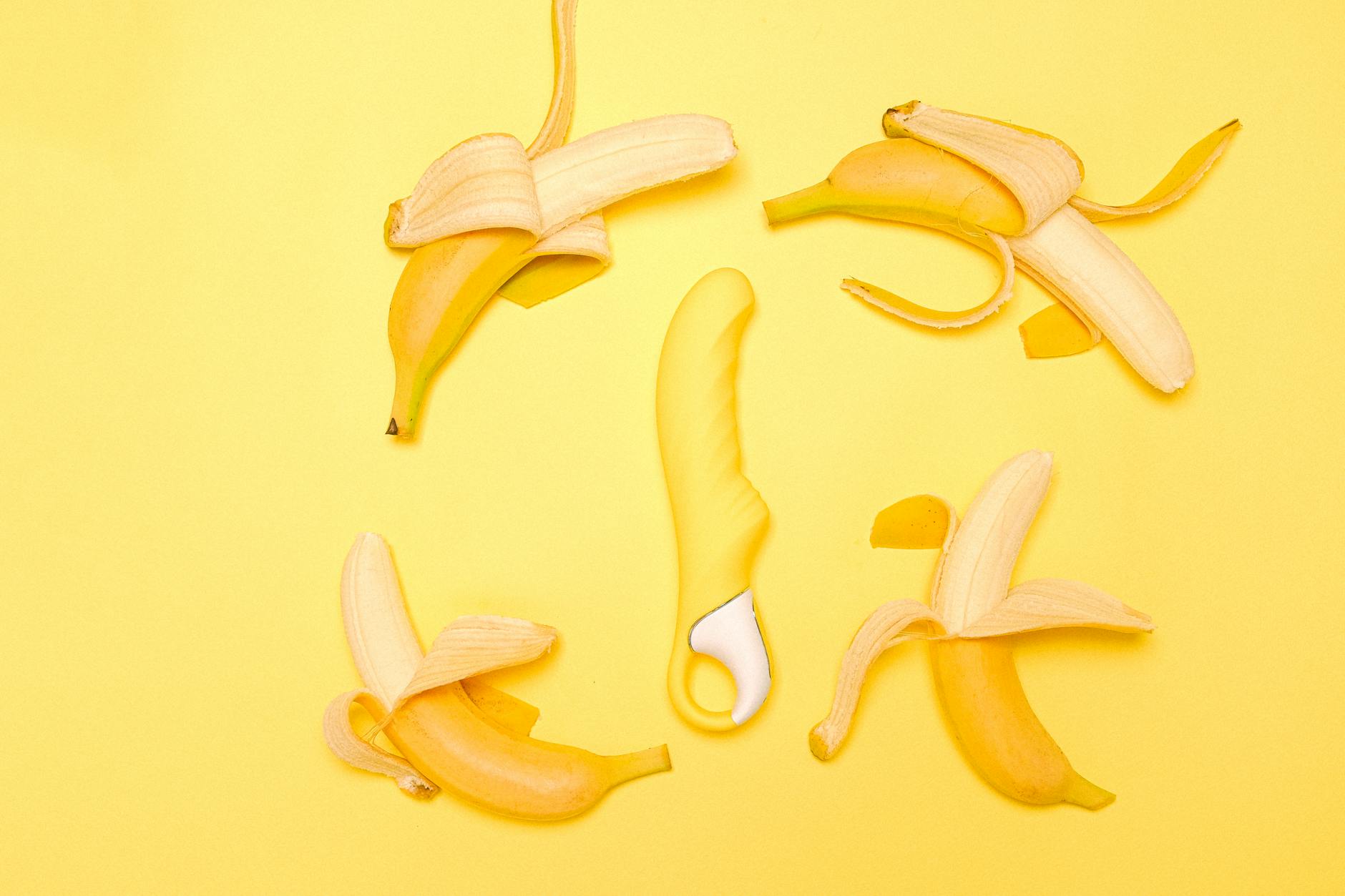
This is where the design of The Lemon Suction Toy actually changes the conversation.
How suction works differently for numb tissue
The Lemon Suction Toy uses suction (also called "air-pulse" or "wave-pulse") technology instead of mechanical vibration. Instead of friction or buzzing, it creates a gentle rhythmic squeeze that gathers tissue and releases it in a pulsing pattern.
Here's why that matters: suction stimulates deeper nerve layers without requiring high surface sensitivity. When your clitoris is numb from swelling or scar tissue, those deeper nerves still have sensation. Suction reaches them. A traditional vibrator sits on the surface and never does.
Second, suction is gentler on healing tissue. There's no friction, no aggressive buzz. It's rhythmic pressure, which feels more like what your body recognizes. Many postpartum clients report that suction feels almost soothing, whereas vibration felt raw.
Third (and this matters more than people realize), suction provides biofeedback. When the toy creates that pulsing squeeze, you feel it. Your body registers it. Even if sensation is muted, you get input. That input teaches your nervous system that stimulation is happening, which accelerates neural reconnection. Your brain starts waking up to the possibility of pleasure again.
The practical timeline for rebuilding sensation
Weeks 1-4 postpartum: Don't try anything yet. Your body needs to focus on healing. Lochia (postpartum bleeding), cramping, and tissue repair are the priority. Any genital touch should be clinical only (washing, checking for infection).
Weeks 4-8: You get medical clearance (usually at 6 weeks). At this point, swelling has reduced substantially, but sensation is still muted. This is when I recommend starting with The Lemon Suction Toy at the lowest intensity setting. Spend 10 to 15 minutes exploring without any goal. You're not trying to orgasm. You're reintroducing sensation to your body. Sensation returns fastest when there's zero performance pressure.
Weeks 8-12: Swelling continues to reduce. The pudendal nerve becomes less compressed. You can experiment with slightly higher intensity on The Lemon. Many people notice a "turning point" around week 10 or 11 where something clicks back online. Suddenly a sensation you couldn't feel for 8 weeks becomes sharp and alive again. That moment is worth waiting for.
Months 4-6: If you're not breastfeeding, estrogen rebounds significantly, and sensation accelerates. If you are breastfeeding, the timeline stretches longer, but sensation still improves. This is when The Lemon's full range becomes accessible. Most people say they feel almost completely back to baseline by month 4 or 5.
The variability here is huge. Some people feel full sensation return by week 10. Others take 6 months. Both are normal. The one constant: sensation returns faster when you're actively, gently exploring (rather than white-knuckling and waiting for it to happen on its own).
Why partner presence changes things
If you have a partner, this recovery period can feel complicated. You may feel touched out from baby contact. Your partner may feel rejected or uncertain about whether they can touch you at all. Numbness can become weaponized ("Your body doesn't respond to me anymore") instead of what it actually is (a temporary neurological response to trauma and swelling).
Here's what actually helps: separate the two types of touch. Solo exploration with The Lemon Suction Toy is about you reconnecting with your own sensation. That's not a rejection of your partner. It's you rebuilding the neural pathways that allow pleasure to register at all. Once you can feel it solo, partnered touch becomes possible again.
Many partners are grateful to learn this. It reframes postpartum numbness from "our sex life is broken" to "let's support sensation recovery together." Some partners enjoy watching, or taking turns, or just knowing that the work is happening.
But solo exploration first. That's the fastest path back.
What to actually do
Start at the lowest setting. Position The Lemon Suction Toy so the opening creates a gentle seal (not tight, just enough suction to feel the pulse). Spend 10 to 20 minutes. You might feel nothing. You might feel a distant pulse. You might feel a sudden shock of sensation that makes you cry. All of those are fine.
Use water-based lubricant. Postpartum tissue is often drier (especially if breastfeeding), and lube makes sensation easier to register.
Do this 3 to 4 times per week. Consistency matters more than intensity. Your nervous system learns through repetition that this sensation is safe and available.
Don't chase orgasm. Seriously. An orgasm will come back on its own timeline. Chasing it creates tension, which creates less sensation, which makes the experience worse. Your job right now is purely sensory reconnection.
Stop if anything hurts. Numbness is normal. Sharp pain is not. If you experience pain, give it another week or two before trying again.
When to check with your doctor
If numbness persists past 6 months, mention it to your OB/GYN or midwife. Most postpartum numbness is simple nerve compression, but occasionally prolonged numbness can indicate a more specific nerve injury (like pudendal nerve injury from prolonged pushing or forceps use). A specialist can rule that out with imaging or nerve conduction tests.
Also mention it if the numbness is paired with other symptoms: sharp shooting pain, pain with penetration, or altered sensation that includes painful burning (this can indicate small nerve fiber damage). Again, most of these are treatable, but they warrant professional assessment.
The permission you actually need
Postpartum numbness often arrives alongside waves of grief about your body and your sexuality. Your body has been borrowed and changed. Your sexuality has been backgrounded. Numbness feels like a betrayal on top of that.
It's not. It's just swelling. It's your nerves being compressed. It's a temporary state of your biology, not a permanent condition or a sign that something is broken. And more importantly, reclaiming sensation isn't selfish or frivolous. It's part of healing. It's part of remembering that you exist as a person with your own pleasure, not just as a source of nourishment and care.
The Lemon Suction Toy makes that reconnection gentler and faster. But the real work is permission. Permission to explore. Permission to take 20 minutes for yourself. Permission to feel the numbness and rebuild sensation anyway.
That permission matters more than any toy.
People also ask
How long does postpartum clitoral numbness usually last?
Postpartum numbness typically resolves within 4 to 12 weeks, though the timeline varies based on delivery method, tear severity, and whether you're breastfeeding. Vaginal delivery without tearing often sees faster recovery (4 to 8 weeks). Delivery with tear or episiotomy may take 8 to 16 weeks. Cesarean delivery usually has faster clitoral sensation recovery than vaginal delivery. Breastfeeding can extend the timeline by 4 to 8 weeks due to hormonal suppression of estrogen. Consistent gentle exploration actually accelerates the timeline; waiting passively tends to extend it.
Is it safe to use The Lemon Suction Toy while still bleeding postpartum (lochia)?
No. During the first 4 to 6 weeks postpartum, you're bleeding from the uterine site where the placenta was attached. Any internal stimulation increases infection risk. Wait until lochia stops and you get medical clearance (usually at 6 weeks) before using any internal or external genital toys. After clearance, external suction stimulation to the vulva is fine, but avoid anything that goes inside the vagina until at least 8 weeks postpartum and until any perineal tearing is fully healed.
Can postpartum numbness happen even if you didn't tear or have an episiotomy?
Yes, absolutely. Swelling and nerve compression happen regardless of tear status. The pressure of the baby's head pushing through the birth canal compresses the pudendal nerve in everyone. Tearing or episiotomy makes the numbness worse and the recovery longer, but even straightforward vaginal deliveries without any tissue damage involve significant swelling and temporary nerve compression. Some people experience more noticeable numbness than others, but it's a universal aspect of postpartum physiology.
Will sensation return completely, or will I always feel slightly numb?
In almost all cases, sensation returns to baseline or very close to it. Most people report full sensation recovery within 6 months. A small percentage notice a subtle difference in sensation compared to pre-pregnancy (slightly less intensity or a different quality of feeling), but this is unusual and typically not distressing. The key variable is consistency in gentle exploration and how your individual nervous system responds to retraining. If numbness truly persists past 6 months without any recovery, that's when professional evaluation becomes important.
Should I wait until sensation returns before trying to have partnered sex again?
No. You can begin partnered sex whenever you feel emotionally and physically ready (usually 6 to 8 weeks postpartum with medical clearance). You don't need to wait for full clitoral sensation to return. Many couples find that the presence of a partner actually helps sensation come back faster due to increased blood flow and arousal. Solo exploration with The Lemon Suction Toy and partnered sex aren't mutually exclusive. In fact, they complement each other. Solo time helps you understand what sensations are returning; partnered time provides a different type of stimulation that can accelerate recovery.
Can hormonal birth control or breastfeeding medication delay the return of sensation?
Yes. Hormonal birth control (especially progestin-heavy methods) and some medications used alongside breastfeeding can suppress estrogen further, which slows blood flow to genital tissue and extends the numbness timeline. If you're starting hormonal contraception postpartum, mention the numbness to your prescriber. Sometimes switching formulations or timing can help. Breastfeeding-compatible medications that suppress lactation (like bromocriptine) can actually speed up estrogen rebound, so if your numbness is extreme, worth discussing with your OB/GYN.