
The mismatch nobody talks about
Here's the conversation that happens in a lot of bedrooms, and almost never out loud: one partner wants penetration. The other doesn't. Or wants it less. Or wants it in a way that doesn't actually feel good. And instead of naming it, you both pretend it's fine until resentment builds like sediment.
This is one of the most common pressure points I see in couples therapy, and it's almost never about the sex itself. It's about feeling unheard, or obligated, or like your body's actual preferences don't matter as much as keeping the peace.
Why this matters more than you think
Penetration is treated as the default endpoint of sex in most relationships. That framing is the problem. Not penetration itself. The assumption that if you're having sex, it includes penetration, and if you don't want it, something's wrong with you or the relationship.
But here's what research actually shows: roughly 65% of people with vulvas don't orgasm from penetration alone. Some never will, no matter how much practice. Others want stimulation that has nothing to do with being inside. That's not dysfunction. That's just how bodies work.
When you're with a partner who prioritizes penetration, you have three options: you can fake it, you can avoid sex altogether, or you can bring in a tool that lets you both get what you actually want at the same time. The first two build distance. The third builds intimacy, because you're finally telling the truth about what feels good.
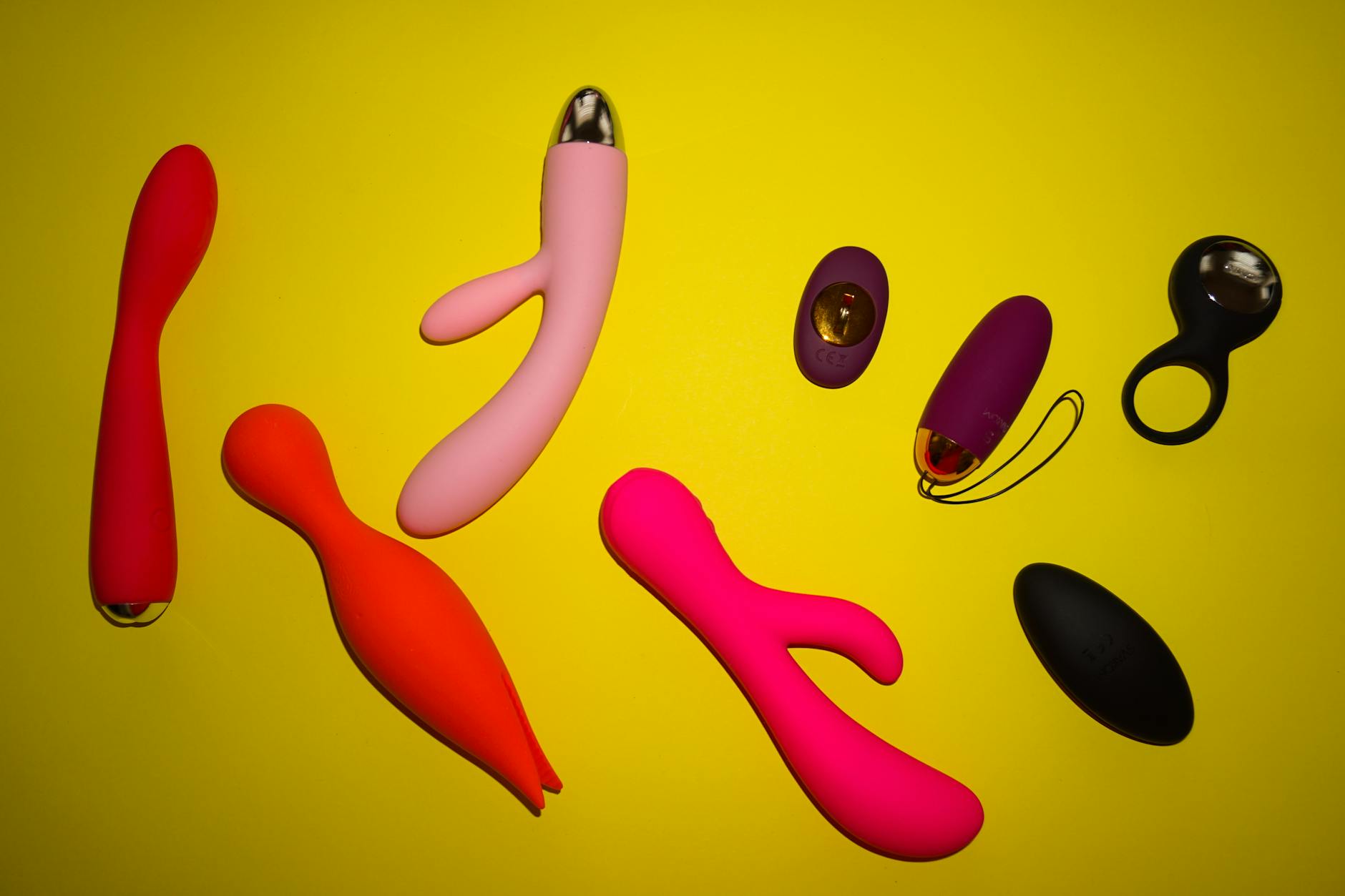
Photo by FounderTips . on Pexels
What lemon clitoral vibrators actually solve
A lemon vibrator is a suction toy that stimulates the clitoris through gentle, rhythmic suction rather than friction. The key word: gentle. You can use one during sex with a partner without it feeling like a third person in the room. It's small, it's focused, and it does one thing incredibly well.
When your partner wants penetration and you want clitoral stimulation, a lemon vibrator gives you both what you need without either of you having to compromise. Your partner gets the penetration they want. You get the clitoral stimulation that actually makes you orgasm. And the combination? It's often more connected than either of you had alone.
That's the real benefit. Not that you get your way. But that you stop choosing between your pleasure and theirs.
How to actually introduce this without it feeling awkward
The wrong way is framing it as a solution to a problem. "We need this because sex isn't working." That puts your partner on the defensive.
The right way is honest and collaborative: "I've been thinking about what actually feels good for me, and I want us to explore something together." Then show them. Not as an accusation. As an invitation.
Most partners (once they get over the initial surprise) are relieved. Because they've probably been wondering if you're actually enjoying yourself. If you've been faking it. If your quiet during sex means you're not into it. Bringing in a lemon vibrator literally answers all those questions. You want this. You want it with them. You're present and engaged because you're finally getting stimulation that works.
The positioning that works best
If your partner is inside you and you're using a lemon vibrator, angle it so it sits flat against your clitoris. You're not trying to create tension or friction between the toy and your partner's body. You're adding a layer of stimulation that works independently.
Starting with lower settings (1-3) helps. Let yourself get aroused first, then turn it on. Pressure-wise, your partner might feel a subtle vibration through the toy, but that's it. It's not competing with them for space or sensation. It's working alongside them.
Some couples find that using a lemon vibrator during penetration actually lets them last longer and feel more connected, because there's less performance pressure. You're not waiting for them to bring you to orgasm. You're managing your own pleasure while you share the experience. That shifts the whole dynamic.
What changes in the conversation
Once you've used a lemon vibrator together, the sex conversation stops being about "Do you want to do this or not?" and becomes "What do you want tonight?" That's a radically different question.
Some nights you might not use it. Some nights your partner might ask if you want to. The point isn't that you need a toy. The point is that you've named the fact that you have different bodies with different needs, and you've chosen to support each other rather than pretend those differences don't exist.
I've worked with couples who were on the brink of resentment, and a conversation around a lemon vibrator actually rebuilt their physical connection. Not because the toy is magic. But because finally, one partner felt heard. They weren't being asked to perform in a way that didn't work. They were being invited to get what they wanted and give their partner what they wanted too.
The guilt piece (that needs to die)
Some people feel guilty bringing pleasure tools into partnered sex. Like they're admitting the partner isn't enough. That's a cultural story, not the truth. Your partner's penis or fingers aren't designed to replicate what a focused clitoral suction toy can do. That's not a failure on their part. That's just anatomy.
Using a lemon vibrator with a partner is one of the most confident, self-aware things you can do. You're saying: I know what my body needs. I trust you enough to ask for it. I want us both to feel good. That's not selfish. That's collaborative.
When to bring it up again if the first try was uncomfortable
If your partner seemed resistant or weird the first time, don't just drop it. But don't push either. Pick a non-sexual moment and say something like: "I noticed you seemed hesitant last time. I want to check in about that." Let them tell you what they actually felt. Maybe they're worried about performance. Maybe they thought it meant something negative about how they're satisfying you. Maybe they just needed a minute to adjust to something new.
Once you know what they're feeling, you can actually address it. "This has nothing to do with whether you feel good. It's about what helps me get there too." Or: "Using this together is actually hotter to me because I'm not faking it." That's real information they can work with.
The wider shift
Over time, using a lemon vibrator during sex with a partner often softens the whole dynamic. You stop treating penetration like it has to be the main event, the moment everything builds toward. Instead, it becomes one piece of a wider range of physical connection. Sometimes that piece feels central. Sometimes it's just part of the landscape.
Couples I've worked with have told me that lemon clitoral vibrators actually saved their sex lives. Not because the toy is special. But because it forced an honest conversation. And honest conversations, over time, build the kind of intimacy that actually sustains long-term partnerships.
FAQ
Will using a vibrator make my partner feel replaced or inadequate?
Not if you frame it as something you're doing together. The difference between "I need this because you're not enough" and "I want this so we can both feel amazing" is everything. Most partners, once they see how much more engaged you are, realize it actually makes sex better for them too.
Is it awkward to use a lemon vibrator during penetration?
It takes about two minutes of adjustment, then it feels natural. Your partner might feel a subtle vibration, but that's often a bonus. The real awkwardness is the tension that builds when one of you is faking satisfaction. Once you start using a toy, that disappears.
What if my partner wants penetration constantly and I genuinely never want it?
Then you have a different conversation entirely. A lemon vibrator doesn't solve mismatched desire around penetration itself. That requires real dialogue about what you both need and whether you can find middle ground. If you genuinely don't want penetration and your partner genuinely does, that's a compatibility question worth exploring with a therapist who specializes in sex and relationships.
Can I use a lemon vibrator if I have a vulva sensitivity issue?
Lemon suction toys are often easier to tolerate than traditional vibrators because they don't rely on friction. The suction is gentler and more diffuse. But start with the lowest setting and go slow. If you have pelvic pain or numbness, a menopause specialist or pelvic floor physical therapist can help you figure out whether a vibrator is appropriate for your specific situation.
How do I know if my partner is actually okay with this, or just pretending?
Watch for actions, not just words. Are they engaged during sex? Do they initiate it? Are they asking questions about how it feels? If they're genuinely uncomfortable, it'll show up as reluctance or distance. If you sense that, pause and ask directly. "You seem off. What's really going on?" Often, people need permission to be honest about their hesitation.
What if I want to try this but my partner isn't interested in sex right now?
That's a different issue. A lemon vibrator solves mismatched stimulation preferences, not mismatched desire. If your partner isn't interested in sex, bringing in a toy won't fix that. You need to address what's underneath the lack of desire. Stress? Health issues? Relationship tension? Those are separate conversations. Once you've addressed those, a tool like a lemon vibrator might help with pleasure compatibility.
The real point
Partners don't have to want the exact same things sexually. That's actually impossible. What they need is honesty and a willingness to work with each other's actual bodies rather than against them. A lemon clitoral vibrator is just a tool that makes that easier. It says: you matter. Your pleasure matters. And I want us to figure this out together.
That's the conversation that changes things. If you're ready to have it, we're here to help. Get in touch if you want to talk through any of this.