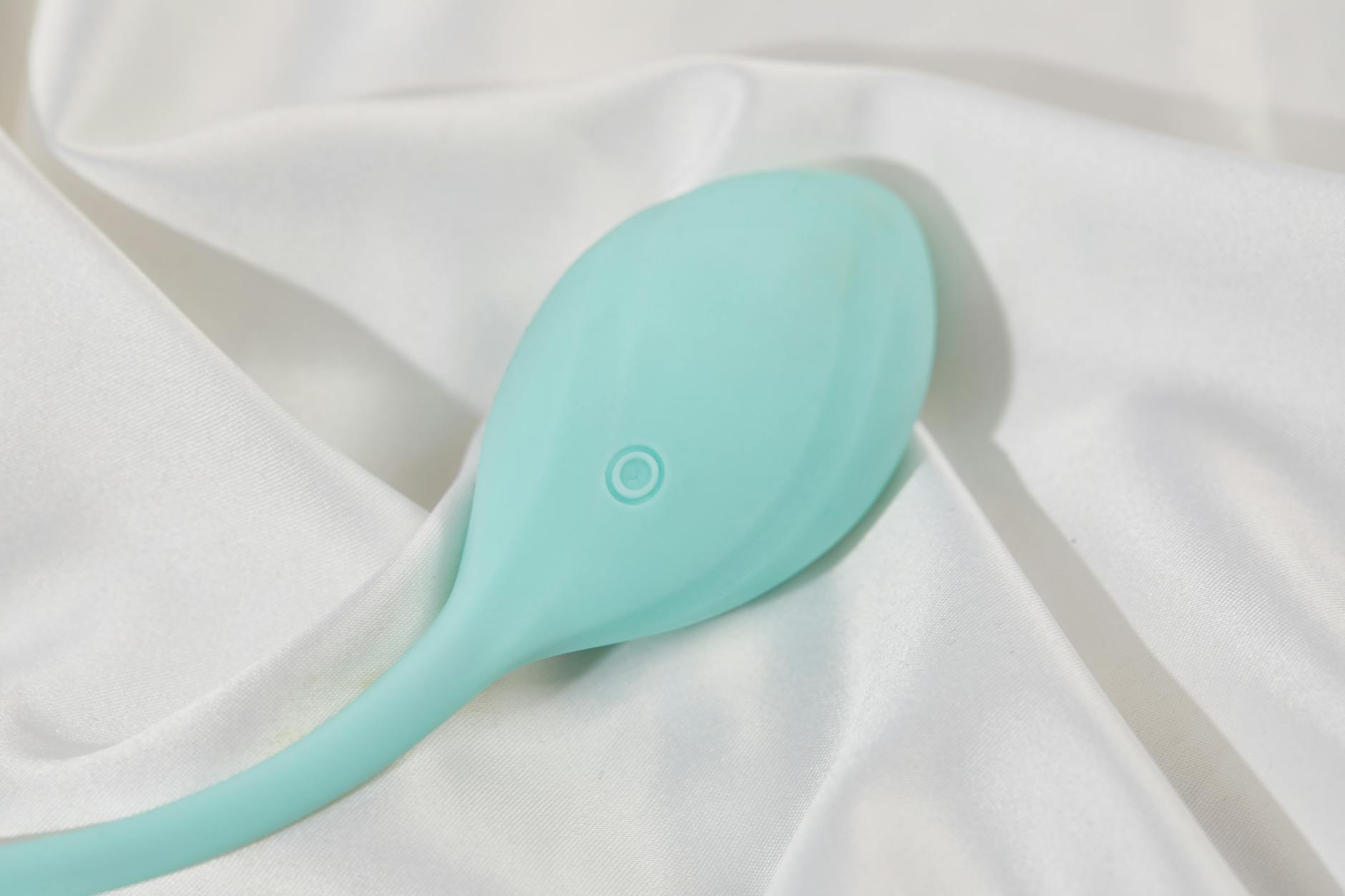
Pleasure isn't frivolous after trauma
Let's start here: if you've experienced sexual trauma, the idea of touching yourself intentionally can feel loaded. Complicated. Potentially triggering. That's normal. What's also normal is wanting to reclaim pleasure, to feel at home in your body again, and to know that healing isn't linear or one-size-fits-all.
The reason I'm writing this isn't to push you toward anything. It's because many people in recovery ask whether using a lemon vibrator is safe, whether it can help, and if so, how. The answer is yes. And there's a thoughtful way to approach it.
Why lemon vibrators work differently for trauma recovery
Trauma often creates a disconnect between your mind and body. Your nervous system has learned to protect you by staying in high alert, which makes relaxation feel unsafe and pleasure feel impossible or triggering. A traditional vibrator's aggressive buzz and intensity can feel overstimulating when your body is already hypervigilant.
Lemon sexual toys, specifically, use a suction-based technology rather than pure vibration. This gentler approach has several advantages:
First, suction feels less invasive than direct friction. It's indirect stimulation, which many survivors find less triggering because it doesn't replicate the sensation of penetration or aggressive contact.
Second, you control the intensity precisely. You're not locked into a pattern or speed. Most lemon vibrators have a range from extremely gentle (pattern 1 is barely perceptible) to more intense, but the jump between levels is gradual. This matters hugely for trauma recovery because control is safety.
Third, the gentleness of a lemon clitoral vibrator's approach can help retrain your nervous system to associate touch with pleasure rather than threat. Low, sustained, predictable stimulation is literally how therapists help people desensitize to triggers.
Preparing yourself and your space
Before you even touch the toy, set the stage for your nervous system to feel safe.
Pick a time and place where you know you won't be interrupted. Privacy isn't a luxury here. It's foundational. If you live with a partner, housemate, or family member, plan for a time when they're genuinely out and you can lock the door.
Consider what your body needs in that space. Some people light a candle. Some put on low music or white noise. Some sit on a blanket they love. There's no right answer. The point is: curate the environment so your body feels protected.
Start fully clothed. Seriously. You might not even touch the toy the first time. You might just hold it, feel the weight, turn it on at the lowest setting while it's in your hand (not on your body). Getting used to the device itself is the first step.
Building tolerance and trust with the toy
Trauma can make your body react defensively to things that aren't actually dangerous. If your nervous system associates touch with harm, it will stay vigilant even when the touch is intentional and gentle.
Take your time introducing the toy to your body. Here's a pace that often works:
Session one: Hold the toy, turn it on at level 1 or 2, feel it in your hand. Stay clothed. This teaches your brain that the toy itself isn't a threat.
Sessions two and three: Apply it over your clothes to your inner thigh or the back of your knee. Not the clitoris yet. Non-sexual areas of the body can help your nervous system learn what the sensation feels like before introducing it near the most vulnerable area.
Sessions four and five: If those earlier sessions felt okay (and only if they did), try it over your underwear on your clitoris, at the very lowest setting. Stay with pattern 1. Your only job is to notice what happens.
This is not about rushing to orgasm. An orgasm might not happen, and that's fine. Healing isn't measured in climaxes. It's measured in moments where your body feels safe enough to stay present.
What safety looks like during the process
Honestly though, safety during trauma recovery means having a crisis plan. If using a lemon vibrator triggers a flashback, dissociation, or panic, you need to know how to ground yourself fast.
Keep these tools nearby: ice cubes (holding them activates your vagus nerve and can interrupt a panic response), your phone with a grounding app or a trusted person's number, water, a favorite blanket. If dissociation happens, open your eyes, touch something cold, name five things you can see. Ground yourself in the present moment.
If something feels wrong, stop immediately. Your body's no is not a failure. It's information. Trauma teaches us to ignore our boundaries. Using a vibrator is practice in listening to them.
The role of a partner (if you have one)
If you're in a relationship and your partner knows about your trauma, involving them can actually deepen trust. But only if you want to. This is entirely optional.
If you do want to involve a partner, the key is transparency. Tell them what you're doing, why you're doing it, and what you need from them. Often, that's simply: be present, don't push, let me lead. A partner watching you reclaim your own pleasure, without trying to make it about them, is a powerful way to rewire your nervous system's association between intimacy and safety.
You might also tell your partner specific things you do and don't want. "I want you in the room but not touching me." Or "I need you to promise that if I say stop, we stop immediately." Clear boundaries make the experience feel controlled, which is exactly what your nervous system needs.
When to involve a trauma-informed therapist
If you're working through sexual trauma, ideally you're also in therapy with someone trained in trauma work. Modalities like EMDR, somatic experiencing, or trauma-focused CBT actually rewire how your brain stores trauma. A vibrator is a tool for pleasure reclamation, but it's not a substitute for that deeper nervous system work.
Bring this up with your therapist. They can help you think through what feels safe, what patterns or sensations might be risky, and how to use a tool like a lemon clitoral vibrator as part of your broader healing plan rather than in isolation.
Some therapists use a technique called "pendulation," where you oscillate between the difficult sensation and a place of safety. A lemon vibrator, used this way, can actually be part of your therapeutic toolkit.
The signals that progress is happening
Healing isn't linear. But there are signs you can look for that using a lemon vibrator is part of your recovery working.
You might notice that your body's defensive response is softening. Where you felt panic, now you feel neutral or even curious. You might be able to stay present for longer. You might laugh, which is huge. Nervous systems that have been locked in survival mode don't access laughter easily.
You might also notice that pleasure starts to feel less forbidden. Your brain starts learning that being touched, even by yourself, doesn't have to mean something bad is about to happen.
None of this will happen on a timeline you can predict. Some weeks you'll feel safe and present. Other weeks, the same toy will feel wrong. Both are okay. Healing loops back on itself.
A word on guilt and shame
Trauma often comes with a story. A belief that you caused it, or that wanting pleasure now makes you weak, or that you don't deserve to feel good. Let me be clear: none of that is true.
Wanting to rebuild pleasure is an act of resistance. It's saying no to the idea that trauma gets to define your life forever. Using a lemon vibrator, using a clitoral vibrator of any kind, is not indulgence. It's reclamation.
Your body is yours. Pleasure is your birthright, not a reward you have to earn through suffering.
Frequently asked questions
Can using a vibrator trigger a trauma response?
Yes, it's possible. Anything involving touch or sexuality can be triggering for trauma survivors. That's why pacing matters so much. Start slow, stay clothed, and build tolerance gradually. If something feels off, stop. Your body's signals are trustworthy, and listening to them is part of healing.
What if I've never had an orgasm? Should I try to have one while using a lemon vibrator?
No. Orgasm is not the goal. Presence and safety are the goals. An orgasm might happen, and it might be profound. Or it might not happen for months or years. Both are normal. Healing is the achievement, not the climax.
Is it normal to feel numb when using a vibrator during recovery?
Very normal. Trauma teaches your body to dissociate or numb out as a protection. If you're feeling numb, that's not failure. It's your nervous system being cautious. Keep breathing, stay present, and consider slowing down even more. Numbness is a signal to go gentler.
Can a partner be involved if the trauma was with a partner?
Maybe, but with care and ideally with a therapist's guidance. If the trauma was relational, rebuilding trust is the deeper work. Some people find that using a lemon vibrator alone first helps them feel fully in control before involving a partner. Others never want to. Honor what your body needs.
How often should I use a lemon vibrator during recovery?
There's no prescribed frequency. Some people find weekly sessions helpful. Others need months between attempts. Listen to your body. If it feels restorative, great. If it feels obligatory, that's a sign to take a break. Healing isn't a checklist.
What's the difference between using a lemon vibrator and other clitoral vibrators for trauma recovery?
Lemon sexual toys, and lemon vibrators specifically, use suction technology rather than traditional vibration. That gentler, indirect approach can feel less invasive and overwhelming to a trauma survivor. You also have more granular control over intensity. That said, every body is different. Some trauma survivors prefer a different style. Experiment, and know that the right tool is whatever makes your nervous system feel safest.
You don't have to do this alone
Healing from sexual trauma is hard work. Adding tools like a lemon clitoral vibrator to your toolkit is one part of a much larger process of reclaiming your body and your pleasure.
If you're ready to explore this, do it at a pace that feels right. If you're not ready yet, that's fine too. There's no deadline. Your nervous system will let you know when it's safe to move forward.
And if you get stuck, if something feels unmanageable, reach out to a trauma-informed therapist or counselor. That's what they're there for. You deserve support, safety, and the slow, gentle return to feeling good in your own body. That's not a luxury. That's your right.