Here's what nobody tells you about pleasure after 35
Your body changes. Not in a bad way. Just differently. And if you've been using the same approach to pleasure for the last decade or more, you might feel like something's switched off when really, something's just recalibrated.
Between 35 and 45, the sensitivity of clitoral tissue shifts noticeably. Estrogen levels begin a slow decline (even if you're nowhere near menopause). Blood flow patterns change. The threshold for arousal ticks up a little. And the sensations that used to hit hard and fast now require a different strategy.
This isn't failure. It's just biology. And once you understand it, you can work with it instead of against it.
What actually happens to clitoral sensitivity
The clitoris has roughly 8,000 nerve endings packed into a tiny space. How those nerves respond to touch, vibration, and pressure depends heavily on blood flow, hormonal support, and tissue elasticity. All three shift after 35.
Estrogen supports tissue health and blood vessel function. As levels decline gradually through your 30s and 40s, the clitoral glans becomes slightly less engorged at baseline. This means the nerves are less "primed" for sensation. You need a bit more stimulus to reach the same threshold you hit before.
At the same time, the surrounding pelvic floor muscles tighten more easily under stress. Most people over 35 carry more tension there than they did at 25. That tension dampens sensitivity further. It's like turning down the volume on a speaker.
Neither of these changes is permanent or irreversible. But they're real, and denying them wastes energy.
Why intensity patterns matter more now
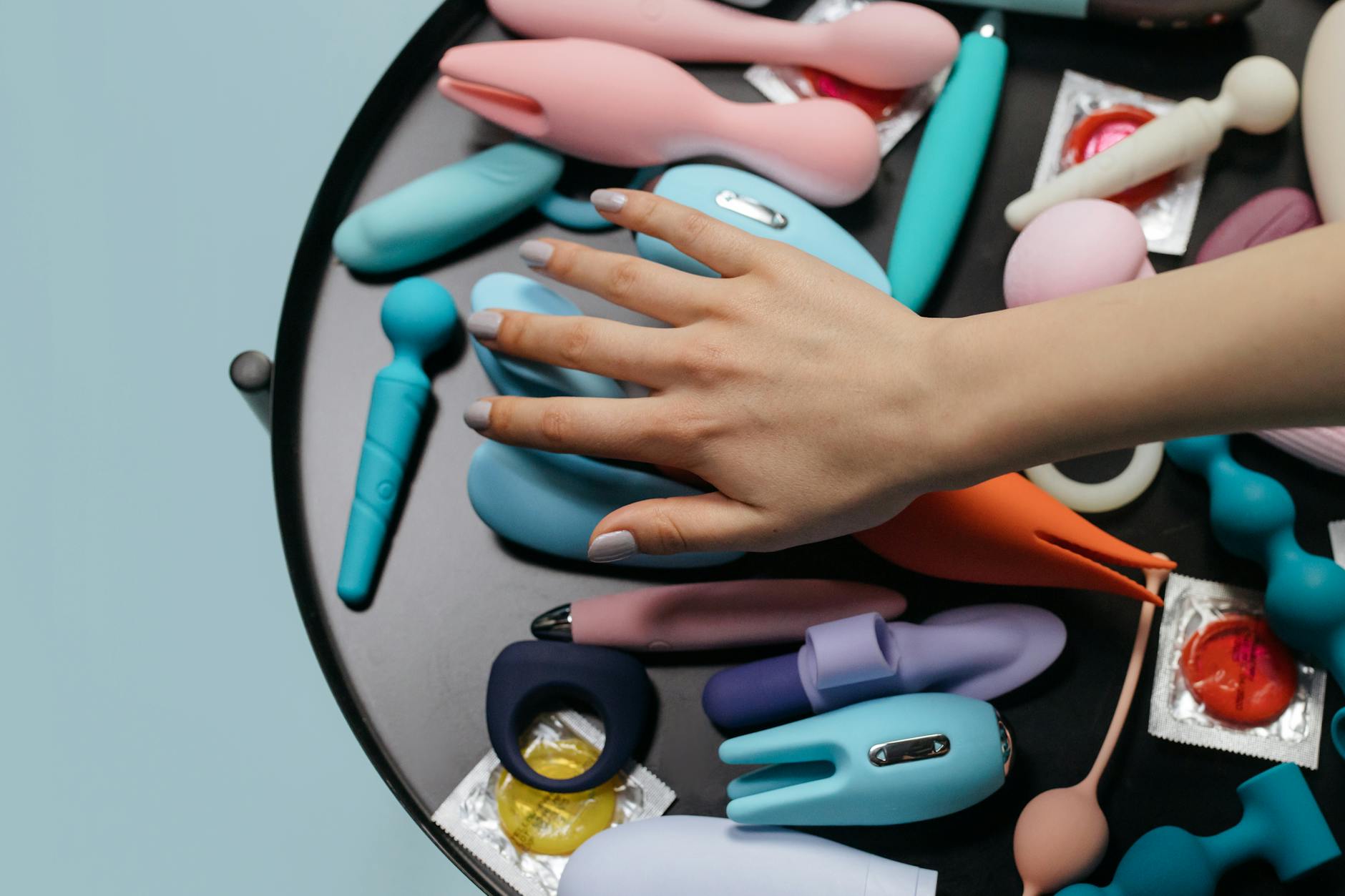
Vibrators work on frequency and amplitude. Frequency is how fast the vibrations occur (measured in Hz). Amplitude is how strong each vibration is. At 25, you might have loved a vibrator at full power, maximum pattern, all stimulation all the time.
At 35 and beyond, that same intensity can feel harsh. The tissue is more easily irritated. The nerve response is less instantaneous. You actually get better results from sustained, moderate intensity than from blunt maximum power.
This is exactly why lemon vibrators like the lem sucker style work so well for this life stage. Suction-based stimulation creates a gentler, more enveloping sensation than conventional vibration. It pulls the tissue inward rather than hammering it. For someone whose clitoral sensitivity has shifted, that approach often feels more pleasurable and sustainable than a traditional vibrator at high settings.
The warm-up window has widened
Arrousal used to be quick. Maybe 5 to 10 minutes, and you were there. After 35, the window extends. You might need 15 to 25 minutes to build the same level of engorgement and readiness.
This feels like loss until you reframe it. A longer warm-up isn't a bug. It's a feature. It gives you time to get mentally present, to check in with your own body, to tune into what you actually want on that specific day. Many people find this longer runway creates more satisfying sensation overall.
Start with lower intensity. Let your body wake up slowly. Use water-based lubricant even if you never needed it before. The clitoris has less natural lubrication after 35, and that dryness can make even gentle stimulation feel uncomfortable.
Pattern variety becomes more important
At 25, a single steady vibration pattern might have been enough. Your nerves adapted instantly, and constant stimulation felt amazing.
After 35, constant stimulation in a single pattern gets boring faster. Your nervous system habituates. The sensation flattens. You need variation to keep the nerves engaged and the pleasure building.
Lucky for you, that's where lemon clitoral vibrators shine. They typically offer multiple patterns and intensity levels, which lets you shift stimulus mid-session. Start at a gentle pulse, move to a steady rhythm, then switch to a rolling pattern. The variation keeps sensation fresh and neural response strong.
Mental presence weighs more
Plessure at 35 and beyond is less automatic and more collaborative. Your brain and your body have to show up together.
Distractions that you might have powered through at 25 now genuinely block sensation. Stress, relationship friction, work pressure, even mild dissociation all dampen the clitoral response. You can't force it.
This is why the transition to your mid-30s often feels like a pleasure loss when it's actually a pleasure upgrade waiting for the right conditions. You just need to build them. Clear your schedule a bit. Turn off notifications. If you're with a partner, have a conversation about what you need to feel present. If you're solo, commit to the ritual without rushing.
Hormonal timing matters more than it used to
If you menstruate, you may notice that clitoral sensitivity varies more noticeably across your cycle now. The first half of your cycle (follicular phase) often brings higher sensitivity and easier arousal. The second half (luteal phase) can feel muted.
This was always happening. You probably just had enough hormonal momentum to override it. Now that estrogen is lower overall, the monthly swings feel bigger.
Work with this instead of against it. Track when you feel most responsive. Plan solo sessions or partner time accordingly. On low-sensitivity days, lean into longer warm-ups and multiple pattern shifts. You're not broken. You're just learning the new rhythm.
The paradox: you might feel better than ever
Here's the plot twist. Once you adjust for these changes, many people report more satisfying, intense, and varied pleasure than they experienced in their 20s.
You know your body better now. You know what you want and you're less apologetic about asking for it. You're not caught up in performance or comparison. You understand that pleasure is collaborative, not something that happens to you passively.
The clitoral tissue might be slightly less eager to respond, but the nervous system is vastly more sophisticated. You know how to build sensation. You understand pacing. You're not chasing the same old stimulation pattern that worked before. You're creating something new.
Many of my clients tell me their best orgasms come after 35, once they stopped fighting the changes and started working with them. That's not luck. That's accumulated wisdom.
Practical recalibration steps
If you're noticing a shift in how you respond to pleasure, start here.
First, try a different type of stimulation. If you've always used conventional vibrators, experiment with a lemon sucker or air-pulse toy. The different sensation pattern often feels revelatory for people in this life stage.
Second, extend your warm-up consciously. Don't rush to stimulation. Touch yourself, breathe, move around. Let arousal build gradually.
Third, play with patterns and intensity. Don't default to maximum. Start at 30 percent and move up only when you want more. Many people discover that moderate, varied intensity actually creates stronger sensation than blunt power ever did.
Fourth, use lubricant even if you feel hesitant about it. Water-based lube isn't a sign of dysfunction. It's a tool. It changes how stimulation feels and often unlocks sensation that friction alone couldn't create.
Fifth, check your pelvic floor. Take time to notice if you're holding tension there. Deep breathing and gentle self-massage can help release it. A tight pelvic floor deadens clitoral response significantly.
FAQ: What You're Actually Wondering
Is it normal for vibrators to feel less intense after 35?
Completely normal. Your baseline estrogen is lower, and the clitoral tissue is less engorged at rest. This doesn't mean you're losing sensation permanently. It means the approach that worked before might need adjustment. Many people find that switching to a lemon clitoral vibrator or a suction-based toy creates more pleasurable sensation than the traditional vibrator they used before. Different stimulus patterns work better for the tissue now.
Do I need to use a lemon vibrator specifically after 35?
Not exclusively, but they're often a great fit. The lem vibrator and similar lemon sucker designs use gentle suction rather than direct vibration. That approach works particularly well when clitoral sensitivity has shifted. You might also try air-pulse vibrators or lower-intensity conventional vibrators. The key is experimenting to find what actually feels good now, not what worked a decade ago.
Will my pleasure come back to what it was before?
No, and that's good news. The sensation won't revert to exactly what it was, but it can become more refined and ultimately more satisfying. Your body's pleasure response becomes more nuanced after 35. You learn to notice subtler sensations. You understand pacing and build-up better. Many people report that their after-35 pleasure is richer, more varied, and more orgasm-inclusive than their 20s ever were.
Should I see a doctor about this?
If you experience pain during stimulation or notice a sudden, dramatic loss of sensation that doesn't improve with these adjustments, yes. But normal shifts in sensitivity as you move through your 30s and 40s aren't medical. They're physiological. You can address most of them with the practical steps outlined here. If you also notice other midlife changes like hot flashes or sleep disruption, that's worth mentioning to your doctor. But pleasure variation alone isn't a flag.
Does this happen to everyone after 35?
Not identically. The timing and intensity of sensitivity changes vary. Some people notice shifts at 33. Others don't feel them until 40 or beyond. Stress, health, exercise, medication, and relationship dynamics all influence how clitoral response changes. The patterns I've described here are common and well-documented, but your experience is your own. The important thing is paying attention to what your body is telling you and adjusting accordingly.
Can I still use my old vibrators?
Yes. They might just feel different. You might find you prefer them on lower settings now. You might use them differently, with longer warm-up or pattern switching. Or you might discover that a new style, like a lemon vibrator or air-pulse toy, feels better for your body now. Pleasure isn't about loyalty to old tools. It's about what actually feels good. If something changes, permission to change with it.
The bottom line
After 35, pleasure isn't dimmer. It's different. Your body has different needs, different timing, different responses to stimulation. Once you stop seeing that as loss and start treating it as information, everything shifts.
You're not broken. You're evolving. And for most people, that evolution leads somewhere better than where you started. The lemon vibrators, the longer warm-ups, the multiple patterns, the lubricant, the pelvic floor attention. They're not workarounds. They're the actual keys that unlock pleasure at this stage of your life.
Your 35-year-old body knows something your 25-year-old body didn't. It's worth listening to.