
Why Lemon Vibrators Take Longer to Work After Starting Antidepressants
You got on antidepressants. They helped. Your mood stabilized, your anxiety loosened its grip, and suddenly you could think straight again. Then you noticed something else: the sensations that used to build and peak now feel muffled, distant, slower to arrive. You picked up your clitoral vibrator and nothing happened the way it used to. Welcome to one of the most under-discussed side effects of psychiatric medication.
If you're wondering why your lemon clitoral vibrator suddenly feels less responsive, or why you need to use it longer to reach climax, the answer isn't in the toy. It's in the neurochemistry that SSRIs and SNRIs shift. And the good news is that understanding what's happening makes it fixable.
What antidepressants actually do to sensation
Most antidepressants work by increasing serotonin availability in your brain. That's the headline. But serotonin receptors sit everywhere in your nervous system, not just in your mood-control centers. When you increase serotonin signaling, you're changing how your entire body processes stimulation.
Here's the chain: your nervous system has a few basic jobs. One of them is to decide what sensations matter and what's background noise. Arousal is a sensory event. It starts when your brain registers touch, visual stimulus, or thought as "this is worth paying attention to." Then a cascade of signals tells your body to increase blood flow, heighten nerve sensitivity, and prepare the tissues involved.
SSRIs dampen this cascade. Not because they're anti-pleasure, but because they're working against hyperarousal, anxiety spiraling, and racing thoughts. The same neurological brake that stops your brain from obsessing at 3 a.m. also slows the chain reaction that leads to sensation.
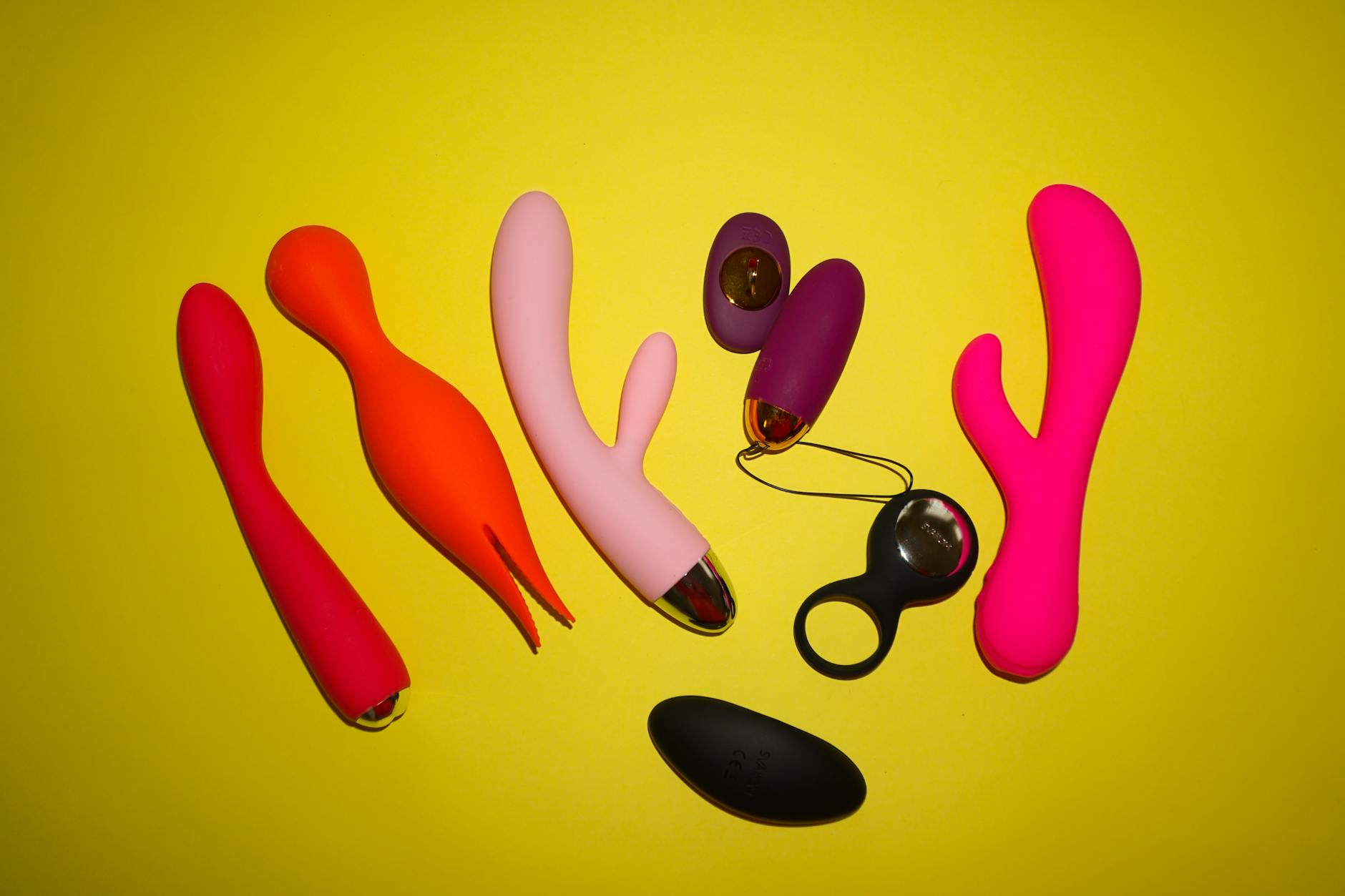
Photo by FounderTips on Pexels
The result: stimulation that used to trigger immediate response now requires more time, more intensity, or more deliberate focus to register.
Why lemon vibrators feel different
A lemon suction vibrator works through rapid pulsing that stimulates the nerve endings in the clitoris. The sensation is supposed to be intense and almost immediate. When your nervous system is running slowly due to medication, that intensity takes longer to register.
Some people describe it as needing double the time they used to. Others say it feels like the vibrations are happening to someone else's body, not theirs. Neither is uncommon. This is not a reflection on the toy, your body, or your sexuality. It's a medication side effect that's as predictable as dry mouth or appetite changes.
The practical part: because the lem vibrator and similar clitoral suction toys work through sensation rather than depth or pressure, they can actually feel like the right tool during this period. They're designed to create concentrated stimulation at a faster rhythm than traditional vibrators. The issue isn't the tool. It's that your nervous system is processing stimulation more slowly overall.
The intensity-and-timing shift
After starting an SSRI or SNRI, most people experience one or more of these patterns:
Longer arousal phase. What used to take 5-10 minutes now takes 15-25 minutes. This is often the first thing people notice.
Reduced genital sensation. The clitoris and vulva may feel less responsive to light touch. Firmer, more intense stimulation often works better than it used to.
Flattened pleasure curve. Instead of a sharp peak, arousal builds into a plateau that feels sustained but less intense. Orgasms may feel less explosive, more diffuse.
Delayed orgasm. Even after significant arousal, reaching orgasm may take longer or require deliberate focus rather than natural progression.
The tricky part is that all of these are dose-dependent and medication-dependent. SSRI side effects peak around weeks 2-4 and often improve after 8-12 weeks. SNRIs (which also affect noradrenaline) sometimes have less severe effects on sensation. Different medications in the same class hit different people differently.
What your doctor actually needs to know
Don't skip this conversation because you're embarrassed. Sexual side effects are so common on antidepressants that psychiatrists have a shorthand for them. Studies show that 40-60% of people on SSRIs report some change in sexual response. Your doctor has heard this before.
Bring it up directly. "Since starting this medication, I've noticed my arousal takes longer and sensation feels muted. What are my options?" That clarity helps.
Your options usually include:
Waiting it out. Many people experience improvement after 8-12 weeks as their body adjusts.
Dose adjustment. A lower dose often reduces sexual side effects while maintaining mood benefit. This is worth discussing if you're timing your doses right.
Timing doses differently. Taking your SSRI at night instead of morning, or adjusting the timing relative to when you want to be intimate, sometimes helps. It's not a fix, but it can reduce the acute effect.
Medication change. Switching to a different SSRI or to an SNRI sometimes reduces sexual side effects. Bupropion (Wellbutrin) is sometimes added specifically because it doesn't have the sexual side effects other antidepressants do.
Literally none of these options are "just deal with it." Sexual response matters. It's not a luxury addon to mental health. The goal is to find a medication regimen that helps you feel better mentally and doesn't erase your capacity for pleasure.
The practical adjustments that actually work
While you're sorting out the medication piece with your doctor, here's what helps:
More warm-up time. Budget 20-30 minutes instead of your old timeline. Use this time for whatever foreplay, fantasy, or solo exploration feels good. Your nervous system needs more runway.
Start with external stimulation only. If you were used to combining penetration and clitoral stimulation, back off the penetration piece for now. Concentrated focus on the clitoris often works better when sensation is dampened.
Use a lemon clitoral vibrator at lower patterns initially. Start at pattern 1 or 2 on the lem vibrator and let your body dictate whether you turn it up. You may find that what used to feel right now feels too intense too fast, or you may need to start softer and build.
Prioritize mental focus. This sounds woo until you realize that antidepressants are literally making your nervous system slower to register stimulation. That means your brain has to do more of the work. Erotica, fantasy, deliberately attending to sensation rather than zoning out—these become more important, not less.
Explore partnered stimulation if applicable. A partner's touch has different neurological pathways than a vibrator alone. Some people find that partnered touch registers differently than solo exploration during this period.
Use lube. Whether you need it or not, lube removes friction and lets you focus on sensation rather than mechanics. It's one small thing you can control.
When things don't improve
If you've been on your medication for 12+ weeks and sensation still feels completely absent, that's worth a follow-up with your prescriber. It doesn't mean you're stuck. It means your particular nervous system and your particular medication aren't a good fit for sexual side effects, and there are other routes.
Some people find that a small dose of a medication that counteracts sexual side effects (like buspirone or bupropion) added to their SSRI brings back sensation without losing the mood benefit. Others switch medications. Still others find that the intensity never fully returns but the acceptability of their life has shifted enough that it stops mattering.
Honestly though? Most people find that after the initial 8-12 week window, sensation does start coming back online. Your body adjusts. The nervous system is plastic. The flatness you're experiencing right now is not permanent.
The thing no one tells you
Taking care of your mental health is not selfish. It's necessary. And yes, it sometimes comes with a trade-off in sensation for a while. But that trade-off is temporary in most cases, and it's worth the conversation with your doctor to optimize the experience.
Your pleasure matters. Your mental health matters. These are not in opposition to each other. A good prescriber will help you find the intersection where both things are true.
If you're starting antidepressants and worried about this side effect, talk to your doctor before it happens. If you're already on antidepressants and experiencing this, talk to your doctor now. There are solutions. You don't have to choose between feeling mentally stable and feeling sensation. You just have to advocate for yourself clearly.
Frequently asked questions
How long does it take for antidepressant sexual side effects to go away?
Timing varies widely. Most people see improvement in sensation and arousal within 8-12 weeks as their body adjusts to the medication. Some people never experience a reduction. Others take 4-6 weeks. The early weeks (2-4) are usually the most noticeable, then it can plateau or gradually improve. If you're still experiencing significant dulling after 12 weeks, that's the right time to revisit the medication conversation with your prescriber.
Do all antidepressants cause sexual side effects?
No. SSRIs and SNRIs cause sexual side effects in a significant percentage of people. Bupropion and tricyclic antidepressants have much lower rates. Mirtazapine sometimes improves sexual function. The class of medication matters, the specific drug matters, and your individual neurochemistry matters. If one medication is causing problems, another might not.
Can I stop taking my antidepressant to get sensation back?
Don't do this without talking to your prescriber. Stopping suddenly can cause withdrawal symptoms and your depression or anxiety can come roaring back. Instead, talk to your doctor about dose adjustment, timing changes, or switching to a different medication. These are the safe paths forward.
Will lemon vibrators work better than traditional vibrators when I'm on antidepressants?
Lemon clitoral vibrators work through rapid suction and pulsation, which creates a different kind of stimulation than friction-based vibrators. Some people find that the intensity of a lemon suction toy cuts through the numbness better than a traditional vibrator. Others find no difference. It's worth trying, but the medication effect is the limiting factor, not the toy type.
Is there anything I can take to counteract antidepressant sexual side effects?
Yes. Bupropion is sometimes added specifically for this reason. Some doctors prescribe buspirone. Some people take a low dose of sildenafil (Viagra) before intimacy. Some adjust timing of doses. Talk to your prescriber about what's safe with your specific medication and medical history. Don't self-treat with other substances without checking first.
Should I stay on medication I hate because of sexual side effects?
No. Mental health comes first. If a medication is causing intolerable sexual side effects and you've tried waiting and dose adjustment, switch medications. There are many antidepressants. The goal is to find one that treats your depression or anxiety effectively and doesn't tank your sexual response. That intersection exists. You might just need to try a few to find it.