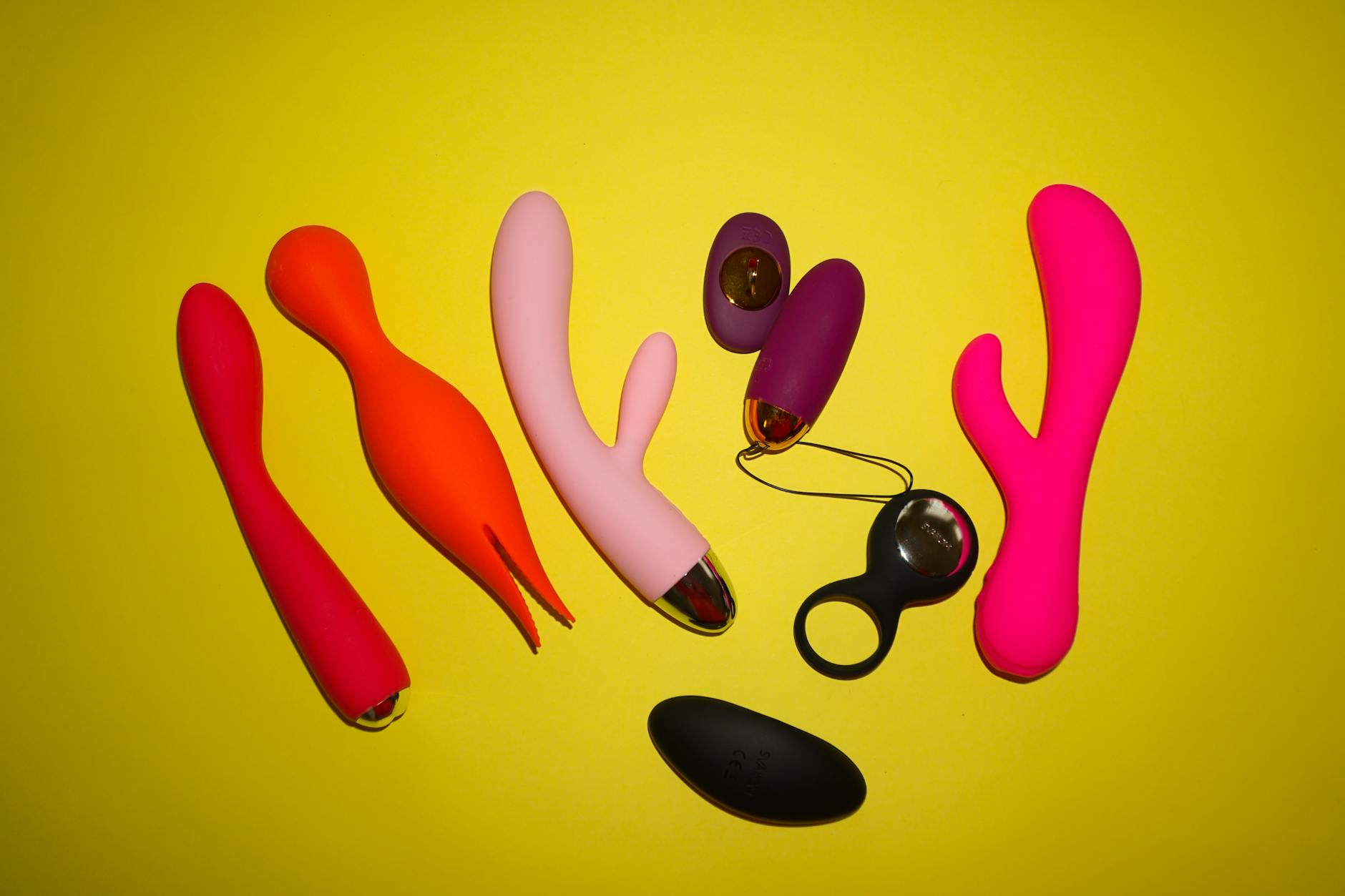
Here's the thing about desensitization
You're not broken. Your clitoris didn't stop working. What happened is your nervous system adapted to a constant stimulus and stopped perceiving it as novel. This is called habituation, and it's exactly what your brain is supposed to do when it encounters the same signal repeatedly.
The problem is that traditional vibrators use one mechanism: continuous oscillation. That works beautifully for about six months, sometimes longer. Then the novelty dulls, orgasms take longer to build, and many people assume they've hit a wall with pleasure. They haven't. They've just exhausted that particular neural pathway.
Lemon clitoral vibrators work differently. They use suction and pulsing patterns that don't rely on steady vibration, which means they can rewire sensation instead of depleting it. This is the distinction that changes everything.
Why regular vibration stops working over time
Your clitoris contains roughly 8,000 nerve endings concentrated in a space smaller than a pea. When you use a traditional vibrator repeatedly (three, four, five times a week for months), those nerves become accustomed to the frequency and intensity. Your nervous system essentially says: "I've catalogued this. Stop flagging it as important."
This isn't laziness. It's adaptation. The same mechanism that lets you stop noticing background traffic noise. The sensation hasn't diminished. Your brain's attention to it has.
What makes this harder to reverse with standard vibrators is that they only offer one solution: increase intensity or change frequency. But both of those are still vibration. You're still asking the same nerve endings to respond in the same way, just louder. Your clitoris has already learned not to listen.
Lemon sexual toys introduce a completely different stimulus. Instead of vibration, they create suction and release patterns that stimulate nerves through negative pressure and pulsing waves. Your nervous system perceives this as novelty because it genuinely is neurologically different.
The suction mechanism resets sensitivity
When you switch from a traditional vibrator to a lemon clitoral vibrator, you're not just changing toys. You're changing the type of mechanical stimulus your clitoris receives.
Vibration travels through tissue in a shearing motion. Suction creates a pulling sensation that engages different mechanoreceptors. Imagine the difference between someone tapping your arm repeatedly versus someone gently pulling the skin. Both feel, but they activate different nerve clusters.
For people with desensitization from overuse, this neurological reset is powerful. Your clitoris hasn't lost capacity. It's simply tired of processing the same signal. Introduce a suction-based lemon sucker, and you activate nerve pathways that haven't been overtaxed.
Many of my clients report that switching to suction toys after months of traditional vibrator use feels shockingly intense at first. That intensity isn't because suction is "stronger." It's because you've reintroduced novelty to a system that had adapted.
How lemon vibrators change the pattern game
Most traditional clitoral vibrators have three or four fixed patterns. Suction-based lemon vibrators typically offer ten to twelve patterns, and they move between suction intensity and pulse rhythm in ways that mirror arousal progression more closely.
This pattern variety matters for desensitization because your brain adapts to repetition. If you've been using pattern three on a standard vibrator for six months, your nervous system has learned exactly what to expect. Patterns five and six on a different toy introduce unpredictability, which keeps your nervous system engaged.
I recommend rotating through new patterns actively. Don't find one that works and stick with it. Use patterns one through twelve deliberately. Spend three days on pattern five, then move to pattern eight. The novelty keeps your clitoris responsive.
The importance of actually taking breaks
This might be the hardest part to recommend because pleasure feels good and you want more. But if you've been using vibrators daily or near-daily for over a year, taking a two to three-week break resets your baseline sensitivity dramatically.
You don't have to do this permanently. It's a reset, not a rule. Many people find that stepping away for 14 to 21 days and then reintroducing a lemon clitoral vibrator creates the most intense pleasure they've experienced in months.
During a break, you can explore manual stimulation or partnered touch. This activates your nervous system differently than any toy. When you return to the lemon sucker, your body perceives it as genuinely novel again.
Breaks are also psychologically useful. Absence builds anticipation. Your brain starts rewiring pleasure around the toy again because it's not constantly available.
Combining suction with intentional rest cycles
The most effective approach I've seen is combining three elements: switching to a suction-based lemon vibrator, rotating patterns deliberately, and building in rest weeks.
Start here. If you've been using a traditional vibrator exclusively, introduce a lemon clitoral vibrator for a week while you're still using your old toy. Notice the difference in sensation. Then spend one week using only the lemon toy. Your clitoris will likely feel more responsive within three to five days.
After two weeks on the lemon vibrator, take a five-day break. Not a punishment break. A deliberate pause. Then return to the lemon toy and notice again.
This cycling approach keeps your nervous system engaged because you're introducing both stimulus novelty (the suction mechanism) and temporal novelty (the absence). Your clitoris stays interested.
Why personal communication matters in couples
If you're partnered, desensitization often gets blamed on your partner. "They're not as good anymore" or "The spark is gone." That's rarely accurate. What's usually happened is that your baseline sensitivity has shifted.
If you've been solo-playing with vibrators frequently, your partnered sex might feel less intense simply because your nervous system has adapted to that specific stimulus. Your partner's touch is a different sensation entirely, which means it activates different receptors. But your baseline expectation has been set by the vibrator.
Conversation here is key. Let your partner know what's happening. Then consider introducing the lemon clitoral vibrator into partnered sex. Many people find that adding suction-based stimulation to partnered sex resets their receptiveness to their partner's touch simultaneously.
You're not rejecting them. You're recalibrating your nervous system. They can be part of that process.
When to see a professional
If you've taken a three-week break, rotated through lemon clitoral vibrators with varied patterns, and sensation still hasn't returned, something else might be at play. Hormonal shifts, medication side effects, or underlying health conditions can all impact clitoral sensitivity independently of vibrator use.
A gynecologist who specializes in sexual health can rule out things like vulvodynia or neurological sensitivity changes that have nothing to do with your vibrator habits. Don't assume desensitization is permanent without checking.
Most of the time, though, switching to a suction-based approach and introducing rest cycles resolves desensitization within two to four weeks. Your nervous system is adaptable. You just need to give it different input.
FAQ
How long does it take for clitoral sensitivity to return after switching to lemon vibrators?
Most people notice increased sensitivity within three to five days of switching from traditional vibration to suction-based stimulation. Full rewiring typically takes two to four weeks. Your clitoris doesn't need healing. It needs novelty. Once you've activated new nerve pathways, sensation comes back quickly.
Can I permanently damage my clitoris from using vibrators too much?
No. Your clitoris has thousands of nerve endings. Overuse causes adaptation in your nervous system, not tissue damage. It's reversible. Even if you've been using the same vibrator daily for two years, taking a break and switching to a lemon clitoral vibrator will reset sensation.
Is it better to take a break or switch toys first?
Switch first. Introduce a lemon sucker immediately because suction provides the neurological reset without requiring you to stop pleasure entirely. After two weeks on the new toy, then take a five-day break if sensation has plateaued again. For most people, the toy switch alone is enough.
Do all suction vibrators work the same way for desensitization?
No. The pattern variety and suction intensity range matters. A lemon clitoral vibrator with twelve patterns and adjustable intensity will offer more novelty than a suction toy with three static patterns. Look for tools with varied options so you can rotate deliberately.
Can partnered sex alone fix desensitization?
Sometimes, but usually not fast enough. Partnered touch activates different receptors than solo vibration, so it can help. But adding a suction-based lemon vibrator to partnered sex accelerates the reset significantly. The combination of novelty (the toy) plus the partner's engagement often resolves desensitization in weeks.
What if I'm on antidepressants and desensitized?
Many SSRIs and SNRIs reduce sexual sensitivity as a side effect. If that's happening alongside desensitization from vibrator use, both factors compound each other. Switching to a lemon clitoral vibrator still helps, but you may also want to discuss timing or dosing adjustments with your doctor. Don't stop medication. Just flag the sexual side effect so your care team can help.
The bottom line
Desensitization from frequent vibrator use isn't permanent. It's your nervous system doing exactly what it's supposed to do: adapting to repetition. The fix is introducing genuine novelty, which is why switching from traditional vibration to a suction-based lemon clitoral vibrator works so well. Add intentional rest cycles and pattern rotation, and you're rewiring pleasure, not chasing it.
Your sensitivity is still there. It just needs to remember how to listen.