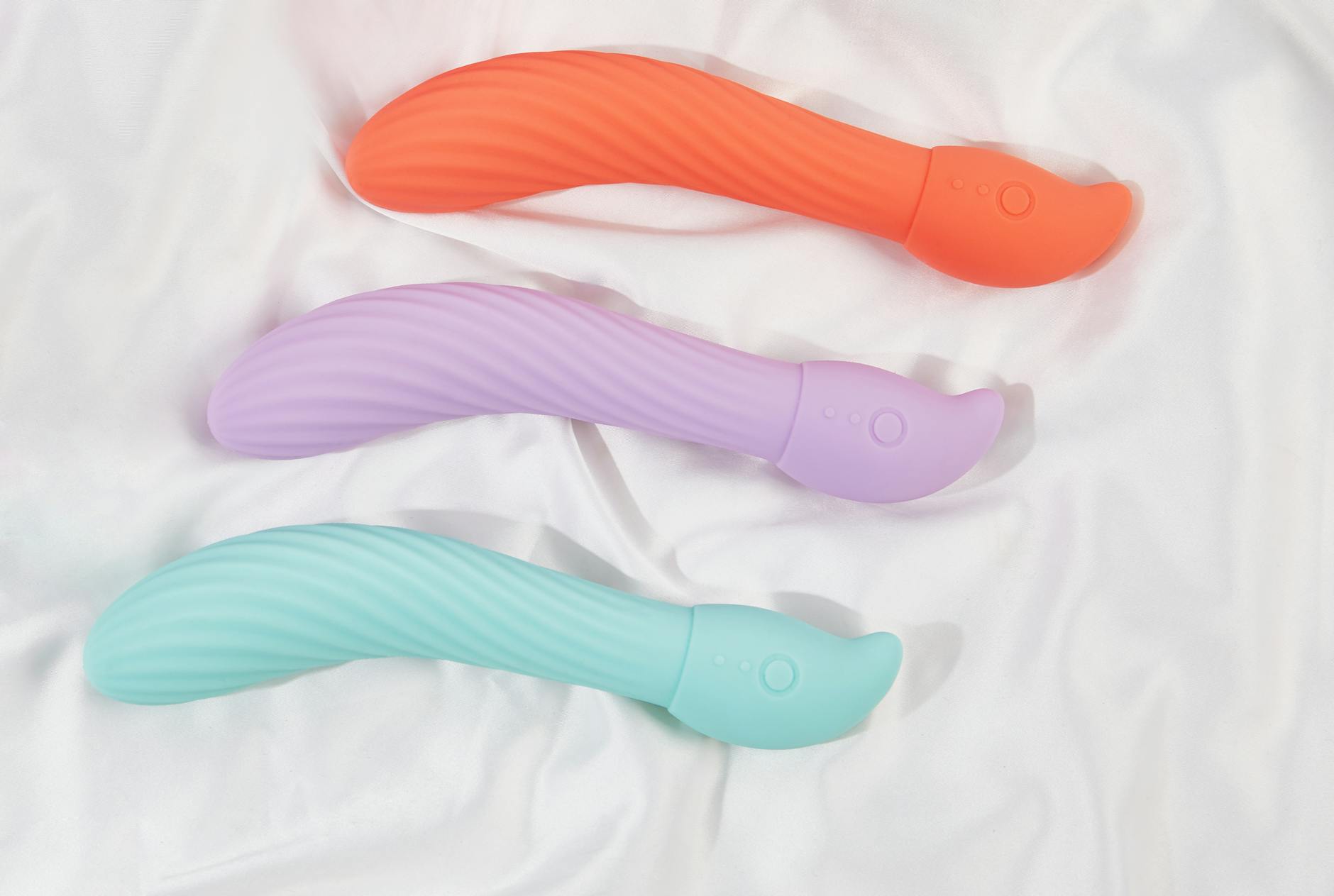
The mismatch nobody talks about
Here's the thing about desire: it's rarely synchronized. One partner wants sex three times a week. The other wants it once every ten days. One person is ready to go in five minutes. The other needs thirty. Both are normal. Both are right. And both can feel deeply wrong when they're running on different timelines.
Most couples never develop the language for this. Instead, they experience it as rejection, pressure, or resentment. The faster partner feels shut down. The slower partner feels rushed. And the whole thing becomes a negotiation that leaves everyone a little bit angry.
Why desire timing matters more than desire itself
I've worked with hundreds of couples, and I can tell you: desire mismatch is one of the leading causes of long-term relationship fracture, right up there with money and kids. Not because the desire is wrong, but because the timing creates a daily micro-rejection that compounds.
When you consistently want sex more often than your partner, you learn to expect a no. When you're consistently pushed for more frequency than you're comfortable with, you learn to armor your body and your desire. Over time, the gap widens.
The research backs this up. Couples with synchronized desire have higher satisfaction rates, not because they have more sex, but because there's no one person perpetually waiting and the other perpetually defending. The power imbalance dissolves.
How lemon vibrators change the dynamic
Here's where tools come in. A lemon clitoral vibrator, or lem vibrator, doesn't solve desire mismatch. But it does solve the timing problem, and that changes everything.
Let me break down what actually happens.
The faster partner gets what they need independently
If you're the person who wants sex more often, a lemon vibrator means you're not waiting for your partner's arousal or availability. You can have a genuine, intense experience on your own timeline. The suction sensation is so direct that most people reach climax in 5 to 15 minutes. You're getting physical satisfaction without negotiation.
This sounds simple, but it's radical. Suddenly, you're not storing up frustration. You're not asking repeatedly. You're not testing the relationship every time desire hits.
The slower partner gets actual breathing room
The person who wants less frequent sex or a longer warm-up often feels guilty, inadequate, or pressured. When the faster partner has access to their own satisfaction, that guilt lifts. You're not the only option anymore. You're the choice.
This matters neurologically. Guilt and pressure kill arousal. They don't enhance it. When the slower partner knows they're not the sole gatekeeper of their partner's pleasure, they often find it easier to actually want sex when they do want it.
You both get to keep partnered sex as something you choose, not something you negotiate
This is the secret. When both partners have independent outlets, partnered sex stops being a problem to solve and becomes something you actually want to do together.
You're not having sex because one person has been waiting. You're not declining because you're touched out from the pressure. You're having sex because you both actively want to, at that moment. The quality goes up. The resentment goes down.
The practical setup
Let's get specific. If desire timing is mismatched in your relationship, here's what I recommend.
For the faster partner:
Keep a lem vibrator or lemon clitoral vibrator somewhere accessible. Your nightstand, the bathroom, a drawer. When you feel desire and your partner isn't available or interested, use it. Not as a second choice. As a legitimate option.
The suction sensation is different enough from partnered sex that you're getting a distinct experience, not a substitute. You're not lying in bed resenting your partner while you wait for them to want you.
For the slower partner:
Let go of the guilt. Your partner having pleasure access doesn't mean you're failing. It means you've designed a system where both of you get what you need. That's not settling. That's mature.
Some slower partners actually find it arousing to watch or know their partner is using a toy. Some don't. Both are fine. The goal is zero pressure.
For both of you:
Talk about it before you need it. Don't ambush your partner with a vibrator when they're already feeling insecure about the mismatch. Have a real conversation. "I've noticed we want sex on different schedules. I'm not trying to pressure you. I'm wondering if we could try a different approach."
Show them the tool. Explain what it would mean for you both. Set boundaries if you have them. Some couples love knowing about each other's solo use. Others prefer privacy. All of that is normal.
What lemon vibrators do differently for this specific problem
I mention lemon clitoral vibrators specifically because of how the suction design works. Unlike traditional vibrators, which require direct clitoral contact for extended time, a lem vibrator engages the whole clitoral structure through suction. This means:
You get to climax faster, which reduces the barrier to solo use when you're just trying to meet a need.
The sensation is so distinct that it doesn't feel like a consolation prize or a second choice. It's its own experience.
The suction approach is gentler, which means there's less risk of the desensitization that can happen with constant vibration. You're not training your body to need more and more intensity.
Many couples I work with find that once they understand this, the faster partner actually wants solo time. It's not about replacement. It's about having a form of pleasure that's specific to what they like.
The relationship math
Here's what I've observed: couples with desire mismatch who introduce independent pleasure tools report higher overall satisfaction than couples who try to fight the mismatch or ignore it.
Why? Because they've stopped treating desire as a shared problem that one person is failing at. Instead, they've acknowledged the reality: desire exists on a spectrum, and that's not a failure. It's just data.
The lemon adult toys or clitoral vibrators aren't hiding the mismatch. They're building a system where both people's needs are met without one person waiting or the other person feeling guilty.
When mismatched timing isn't the whole story
One thing to know: if the desire mismatch is accompanied by disconnection, contempt, or a breakdown in emotional intimacy, a vibrator won't fix that. Desire mismatch is normal. Feeling distant from your partner is not.
If you're exploring this tool and finding that your partner is resistant or withdrawn beyond just the timing issue, it's worth talking to a couples counselor. Sometimes desire mismatch is just logistics. Sometimes it's a symptom of something bigger.
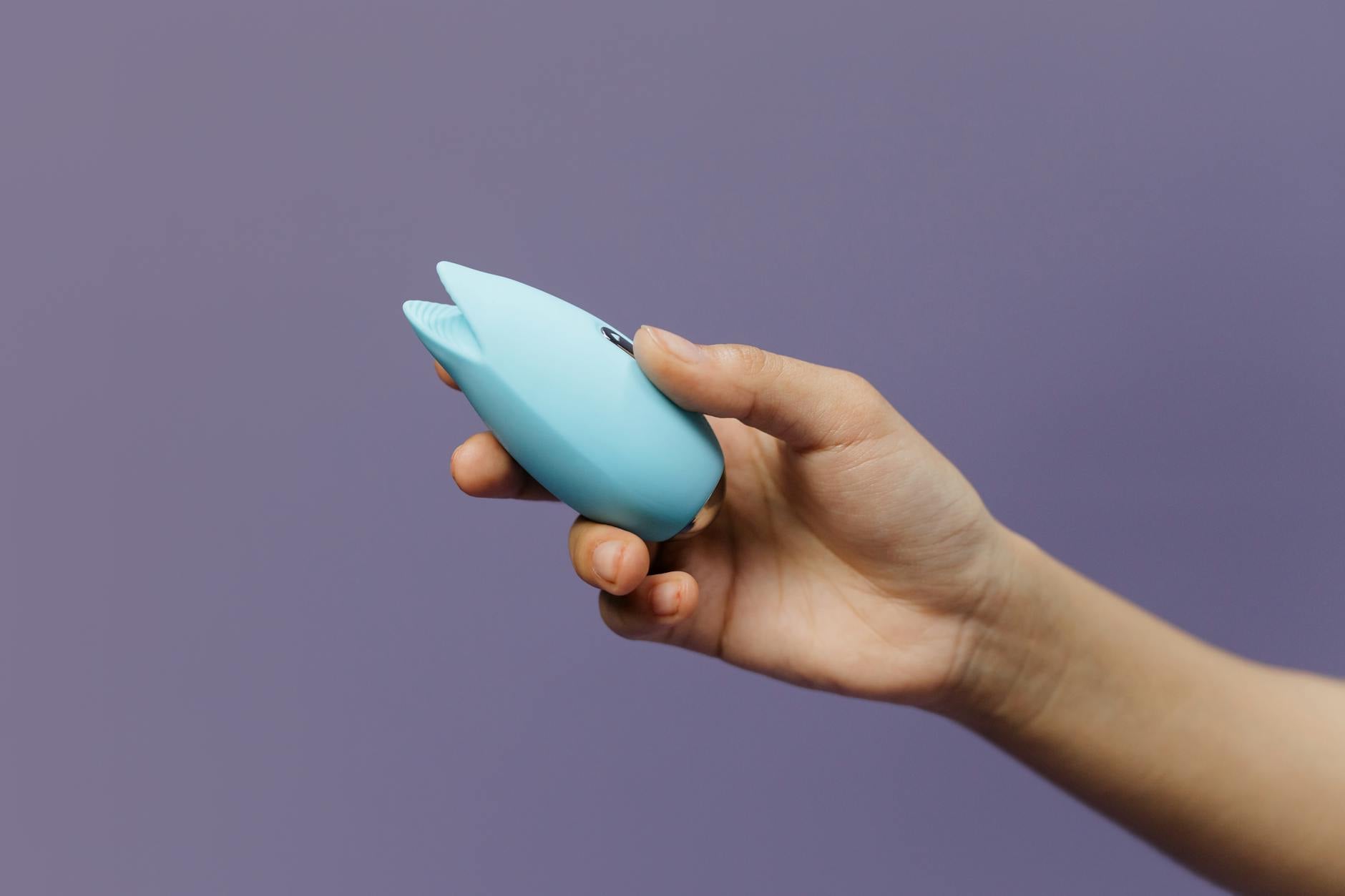
Photo by cottonbro studio on Pexels
The conversation starter
If you're thinking about introducing this to your relationship, here's how to frame it. Not as "You're not enough for me." But as "I want us both to feel good, and I think there's a way to do that without one of us waiting or the other feeling pressured."
That's the real win. You get to keep your individual desires, your individual bodies, and your individual timelines. And you get to come together for partnered sex without it being a negotiation. You're reconnecting with pleasure on your own terms, which builds the foundation for better partnered sex, not a replacement for it.
FAQs about desire timing and lemon vibrators
Will using a vibrator solo make my partner feel rejected?
Not if you frame it right. The key is having the conversation first, not sneaking around. When your partner understands that this is about solving a timing problem, not about them being inadequate, most people feel relief. Some even feel closer because the pressure is off.
What if my partner is the one with lower desire? Am I supposed to encourage them to use a toy?
No. The goal is never to pressure the lower-desire partner into more sex. The goal is to remove the guilt and pressure from both people. If your partner wants to explore a toy, great. If not, that's fine too. The tool is for the person with higher desire who's looking for an independent solution.
Does solo use affect partnered sex?
It can, but usually positively. When the faster partner isn't frustrated, they're more present. When the slower partner isn't guilty, they're more aroused. The pressure lifts, and partnered sex becomes something you both actually want, not something you're trading off.
How often should the faster partner use a toy?
As often as they need to. This isn't about limiting desire. It's about meeting the need wherever it falls. Some people use a lem vibrator once a week. Others three times. The point is autonomy, not moderation.
Is it weird if my partner wants to watch or be involved in solo time?
Nope. Some couples find that integrating solo time into partnered space actually increases intimacy. Others prefer complete privacy. Both are healthy. The only rule is consent and communication.
What if my partner feels threatened by me using a vibrator?
That's real and worth exploring. Sometimes that threat is about insecurity. Sometimes it's about different beliefs around sexuality. If your partner is struggling, consider whether you can have a vulnerable conversation about what feels scary to them. You might be able to work through it together. And if you can't, that's information too.
Mismatched desire timing is normal, but it doesn't have to be a relationship problem. With the right tools and honest conversation, it becomes just another thing you navigate together.