Let's talk about what stress actually does to desire
You know the feeling. A year of caregiving, a job crisis, a health scare, or grief moves through your life and desire just vanishes. Not because you don't love your partner or yourself. Because your nervous system is running a background program called survival mode, and pleasure isn't anywhere in the priority queue.
The worst part isn't the absence of desire. It's when the stressor lifts and desire doesn't automatically return. You're expecting to want sex again. Instead, you're numb. And that numbness can feel like it's become permanent, which is its own source of panic.
Here's what stress actually does to your brain
When you're under sustained stress, your prefrontal cortex (the part that processes pleasure, anticipation, and sexual interest) basically goes dormant. Your amygdala takes over. This is brilliant if you're running from actual danger. It's terrible if you're trying to access pleasure.
At the same time, cortisol and adrenaline suppress dopamine and oxytocin. These are the neurochemicals that drive desire and arousal. Stress doesn't just distract you from sex. It biochemically dampens your capacity to want it.
The confusing part: once the stressor resolves, your brain doesn't immediately flip back. There's a lag. Sometimes a long one. Your nervous system is still in recovery mode. Desire feels like a muscle that's been immobilized for months. It needs retraining.
Why the rebound doesn't feel like old desire
When stress lifts and you start feeling horny again, something's often different. The sensation is there, but it's quieter. It takes longer to build. It feels less automatic. This isn't you being broken. It's your nervous system being cautious.
Think of it like coming back from injury. You can walk again, but your gait is protected. Your body remembers the threat, even if your mind knows it's past.
Many people describe post-stress desire as needing more permission and more time to unfold. The hair-trigger arousal that maybe existed before is gone. In its place is something that needs deliberate attention to activate.
Why lemon suction toys help specifically
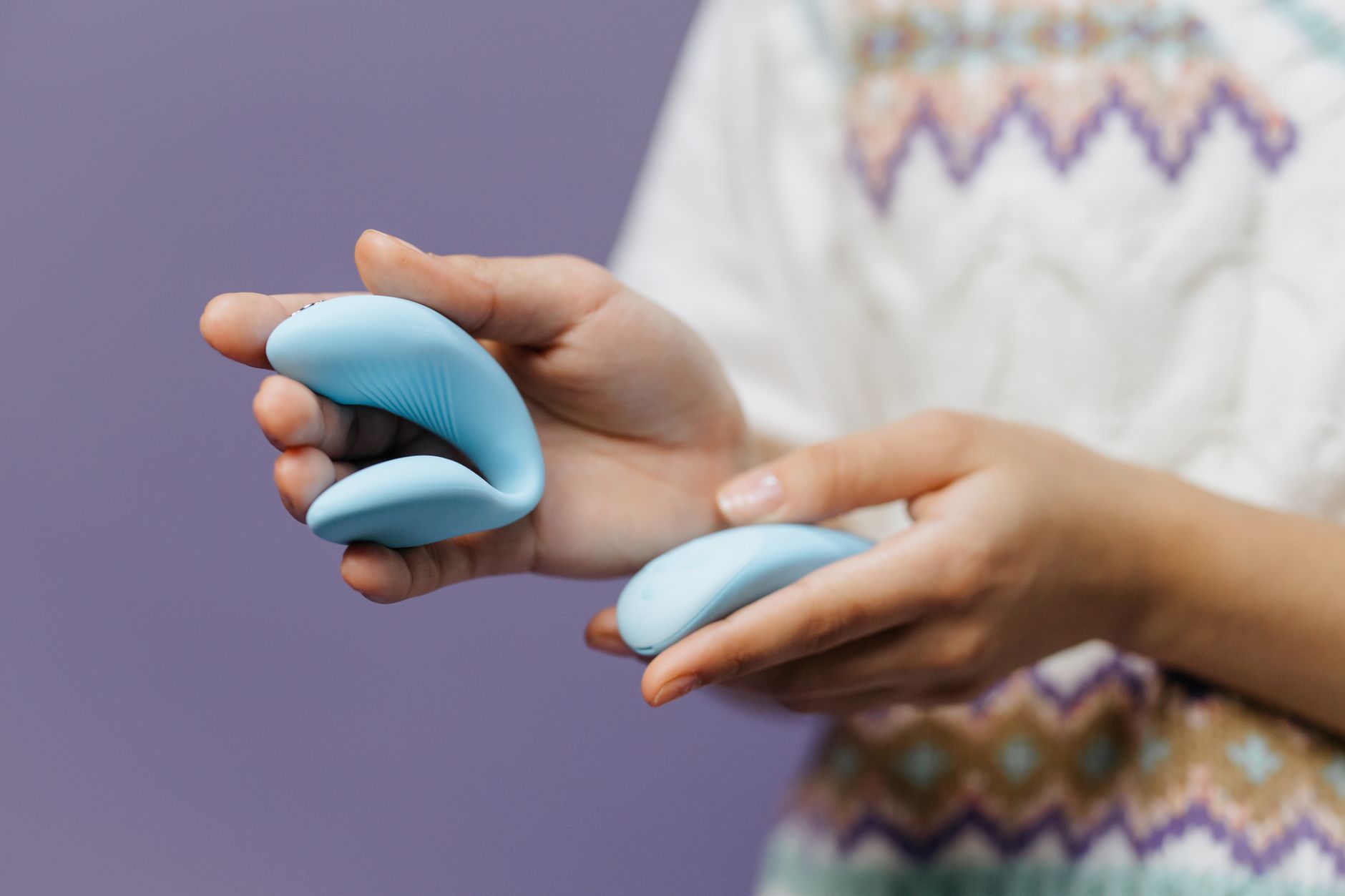
This is where lemon vibrators become genuinely useful. Suction works differently than vibration. It creates a focused, sustained stimulation that bypasses a lot of the cognitive resistance that lingers after stress.
After sustained stress, the clitoral nerve endings sometimes feel understimulated. Vibration can feel too scattered or too intense depending on the pattern. Suction creates a gentle, building sensation that feels less demanding and easier to sink into.
The second reason is rhythmic. Suction has a meditative quality. When your nervous system has been in overdrive, that rhythm is soothing. It's not aggressive or goal-oriented. It's permission to just feel.
Third, suction doesn't require the same cognitive load as fantasy or mental engagement. After stress, your working memory is depleted. You're exhausted. Lemon clitoral vibrators work with that fatigue instead of against it.
The physical setup matters
Here's what I recommend to clients rebuilding desire after major life stress:
Start at the lowest intensity setting. Not because your nerve endings are damaged, but because your arousal system is still recalibrating. Patterns 1-3 on The Lem are genuinely enough. You're not chasing intensity. You're building a signal that pleasure is safe again.
Add warmth. Take a bath first, or warm up the area with your hands or a partner's touch. Stress creates holding tension in the pelvic floor. Warmth helps release that. Lemon suction toys work better on relaxed tissue.
Built-in lube into your routine. Stress decreases natural lubrication for everyone, regardless of hormones. Water-based lube isn't a failure. It's a tool that helps your body remember how to respond.
Give yourself time. Twenty to thirty minutes of low-pressure exploration, no orgasm required. Your goal isn't the ending. It's the signal to your nervous system that pleasure exists and you're safe to access it.
The mental piece is huge
Physically, lemon sexual toys help. But the actual rewiring happens in your mind. After stress, there's often residual guilt or shame about the time you lost desire. Or frustration that the bounce-back isn't instant. Or weirdly, a kind of identity loss. You're used to being someone with a libido, and losing it felt like losing part of yourself.
Rewiring desire after stress means giving yourself permission to be in the recovery phase without it being a problem. Desire isn't a switch. It's a system that needs time to reinitialize.
If you have a partner, separate conversations help. "I'm rebuilding my relationship to pleasure" is different than "I want us to reconnect sexually." One is about you. One is about both of you. They happen at different paces.
When numbness persists longer
Some people find that even after the major stressor is gone, desire stays muted. If six months have passed, the stress is legitimately over, and you're still feeling nothing, there are things worth exploring.
Depression often wears a numbness disguise. So does unresolved grief. Sometimes the stress didn't create the issue. It revealed one that was already there. If you're wondering whether what you're experiencing is normal post-stress recovery or something deeper, a therapist who specializes in sex and relationships can help you sort it.
One more thing: If you're on antidepressants or anti-anxiety medication, those can contribute to numbness too. That's not a reason to stop taking them. It's information worth discussing with your doctor and prescriber. Sometimes switching medications or adjusting dosing helps without sacrificing the mental health support you need.
How lemon adult toys fit into the bigger picture
Lemon suction toys aren't the solution to desire returning after stress. But they're an excellent tool for the retraining process. They create a specific kind of stimulation that's gentle, rhythmic, and doesn't require the mental overhead that other approaches do.
The Lem vibrator works especially well because the suction mechanism is intuitive. You're not learning a complicated pattern. You're just allowing your body to respond to something that feels almost meditative.
Think of lemon clitoral vibrators as part of a nervous system reset. Alongside rest, alongside talking to your partner or a professional, alongside giving yourself actual time. Not instead of those things.
The timeline looks different for everyone
Some people feel desire building back within weeks. Others take months. There's no right timeline. What matters is knowing that the numbness isn't permanent and isn't a reflection of who you are or what you deserve.
Your pleasure matters. Your nervous system is smart enough to protect you when you need protection. It's also smart enough to re-engage with pleasure when the conditions are right. Sometimes it just needs a little help finding its way back.
People Also Ask
How long does it take for desire to come back after major stress?
There's no universal timeline. Some people feel desire returning within 4 to 6 weeks once the stressor lifts. Others take 3 to 6 months. The length of the stress, how intensely it affected your nervous system, and your individual baseline all play a role. The important thing is that it typically does return. If numbness persists beyond six months even after the stressor is resolved, talking to a therapist is worth considering.
Why does desire feel different when it comes back?
Your nervous system recalibrates after prolonged stress. The arousal mechanism itself isn't broken, but it's been suppressed by cortisol and adrenaline. When desire returns, it often builds more slowly and requires more deliberate activation. This is normal post-trauma nervous system recalibration, not permanent damage.
Can a lemon vibrator help even if I feel completely numb?
Numbness is about your nervous system being in protection mode, not your nerve endings being damaged. Lemon suction toys can help you gently signal to your nervous system that pleasure is safe again. Start at the lowest intensity and think of it as a sensation exploration rather than a goal-oriented activity. The suction mechanism is specifically good for this because it doesn't feel demanding.
Is it normal to need more stimulation than before after going through stress?
Yes, though it's usually temporary. After stress, your nervous system needs more input to register pleasure. This often normalizes over time as your system recalibrates. It's one reason why starting low and working up with lemon clitoral vibrators makes sense. Your body will find its sensitivity baseline again.
Should I talk to my partner about the desire returning more slowly than I expected?
Absolutely. Partners often interpret slower desire as a relationship issue when it's actually a nervous system issue. Separating those conversations helps. "I'm rebuilding pleasure" is information your partner needs. It keeps them from personalizing something that isn't about them.
What if desire returns but feels forced?
Forced pleasure is a sign your nervous system still isn't fully in the green. That's information, not failure. Sometimes you need more time. Sometimes you need to address underlying issues like depression or unresolved grief. Suction toys help with genuine exploration, but they're not tools for pushing yourself into pleasure you're not ready for. Listen to that signal.
References and Sources
Polyvagal Theory and nervous system recovery: Porges, S.W. (2021). The Pocket Guide to the Polyvagal Theory. W.W. Norton & Company. [https://www.stephenporges.com/]
Cortisol and sexual response: van Anders, S.M., et al. (2015). "Stress and Sexual Function in Women." Current Sexual Health Reports, 7(4), 334-344. [https://doi.org/10.1007/s11930-015-0065-7]
Post-trauma nervous system recalibration: van der Kolk, B. (2014). The Body Keeps the Score. Penguin Books. [https://www.bessel.info/]
Clitoral nerve sensitivity and sensory devices: O'Connell, H.E., et al. (2005). "Anatomical Relationship between Urethra and Clitoris." Journal of Urology, 174(4), 1323-1328. [https://doi.org/10.1097/01.ju.0000173639.38898.cd]